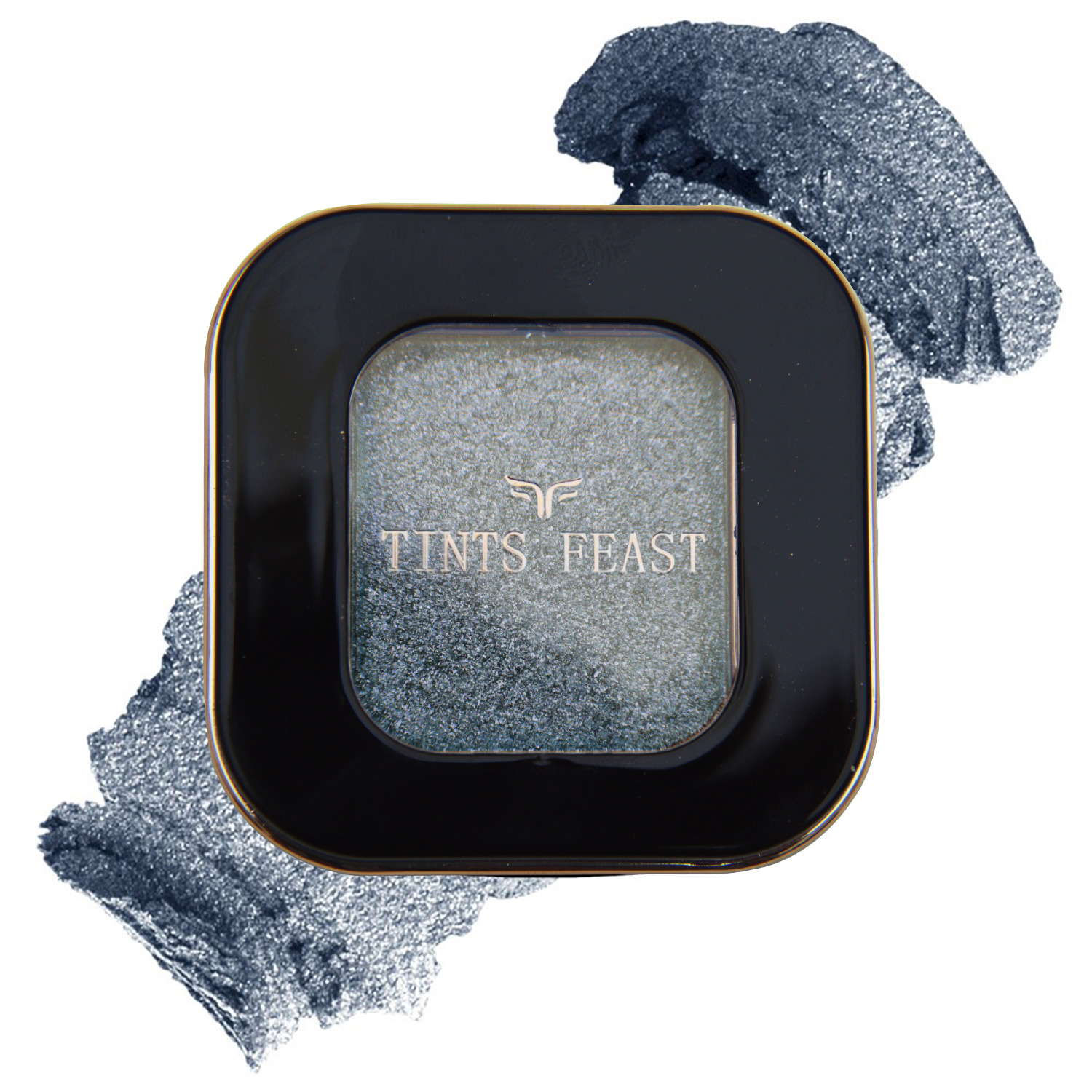
Have you ever noticed your dazzling eye makeup vanishing after a quick swim or a humid commute? Traditional waterproof formulas lean heavily matte due to the strict chemical constraints of film-forming polymers. Meanwhile, highly reflective formulas are notorious for messy fallout and severe moisture sensitivity. This creates a frustrating dilemma. Makeup enthusiasts want both extreme longevity and high-impact sparkle without compromise.
Fortunately, modern cosmetic chemistry bridges this exact gap. Advanced formulations absolutely support water-resistant reflective finishes today. However, real-world performance varies drastically depending on particle size and the delivery mechanism used. You cannot treat all sparkling products equally when water is involved.
This article provides an objective framework for evaluating these claims. We will explore how cosmetic chemists suspend reflective particles inside water-resistant bases successfully. You will learn to identify reliable formats, minimizing purchase risk and preventing application failure. Let us dive into the precise science of securing your shine.
Key Takeaways
Formulation Reality: Waterproof eyeshadow can include shimmer and glitter, but requires specific volatile solvents and film-formers to lock larger particles in place.
Format Matters: Liquid and cream-to-powder sticks offer higher waterproof reliability for glitters than pressed powders.
Oil vs. Water: Many "waterproof" glitter shadows fail when exposed to the natural sebum of the eyelid; evaluating oil resistance is just as critical as water resistance.
Strategic Application: Dual-ended tools (like a Double Headed Waterproof Eyeshadow Pen) streamline application by pairing a tacky waterproof base with a compatible glitter topcoat.
The Formulation Challenge: Locking Down Reflective Particles
Creating a truly resilient sparkling cosmetic requires overcoming basic physics. Waterproof agents work by creating a continuous microscopic film over the skin. Large mica chunks or synthetic PET particles disrupt this smooth net. They create structural gaps across your eyelid. Water can seep into these tiny holes quite easily. Once moisture breaches the barrier, the entire layer becomes compromised.
Chemists solve this structural problem using specialized ingredients. They rely heavily on volatile solvents like isododecane or cyclopentasiloxane. These liquids evaporate rapidly upon application. They leave behind a flexible, water-resistant polymer net. This net physically traps the reflective particles against your skin. The polymers act like an invisible glue. They surround each individual piece of sparkle, sealing it away from external moisture.
Buyers must approach brand marketing with a healthy dose of skepticism. You should deeply question "waterproof pressed powder" claims. Pressed powders inherently lack the robust binding agents needed to resist water. They rely entirely on dry adhesion. This dry friction fails immediately upon contact with moisture. Creams and liquids utilize wet binders instead. These wet binders cure into a solid protective shield over time.
When evaluating a waterproof eyeshadow, you must always check the vehicle. Liquid-to-powder formats provide the necessary chemical structure. Cream bases offer similar resilience. You need these wet formats to achieve true water resistance. Powder alone simply cannot lock heavy particles into place.
Common film-forming ingredients to look for include:
Acrylates Copolymer: Provides excellent flexibility and water resistance.
Silicone Resins (like Trimethylsiloxysilicate): Offers superior oil and water repellency.
Polyisobutene: Adds a sticky, durable base for heavier particles.
Synthetic Waxes: Helps repel water naturally while maintaining blendability.
Categorizing Waterproof Finishes: Shimmer vs. Glitter
Not all shiny cosmetics behave the same way under stress. We categorize them based on particle size and light reflection. Understanding these categories helps you manage expectations.
Satin and fine shimmer finishes demonstrate high compatibility here. They use microscopic mica particles. These tiny elements integrate seamlessly into polymer films. You face minimal risk of creasing. Water degradation rarely occurs. They lie perfectly flat against the skin surface. This flat profile prevents them from catching on external friction points.
Chunky varieties present a much higher structural risk. Large flakes sit awkwardly on the skin's surface. They absolutely require a robust gel or cream base to stay put. If you rub your eyes while wet, they flake off easily. They suffer from poor wet-friction resistance. For true longevity, you need a specialized Glitter Eyeshadow formulated specifically for high adhesion. These formulas use heavier polymers to anchor the large pieces.
Metallic and foil finishes offer excellent water resistance overall. They form an opaque, highly reflective sheet across the lid. They bond tightly together. However, they remain highly susceptible to oil-based breakdown. Hooded eyelids produce natural oils constantly. This combination of friction and sebum melts metallic finishes rapidly. They survive the pool, but they might fail on a hot, sweaty afternoon.
Performance Evaluation by Reflective Category
Finish Type
Particle Size
Water Resistance
Friction Resistance
Ideal Formula Format
Satin / Fine Shimmer
Microscopic
Excellent
High
Stick, Liquid, Cream
Metallic / Foil
Small to Medium
High
Moderate (Prone to oil breakdown)
Liquid, Cream
Chunky / Sequins
Large
Moderate
Low (Prone to flaking)
Heavy Gel, Dual-ended Pen
Format Evaluation: Selecting the Right Delivery System
The delivery system dictates the final performance of the product. You must select the right format based on your daily environment and application skill level.
Liquid wands provide exceptional lock-down once dry. They literally fuse to the upper layers of the skin. They offer intense, opaque payoff. However, they carry distinct drawbacks. You have limited playtime before they set completely. You must blend them rapidly. Furthermore, they can flake aggressively if you layer them too thickly. They work best as single-wash colors rather than complex, multi-layered looks.
Cream pots offer a different user experience entirely. They are highly pigmented and exceptionally easy to blend. They feel luxurious and forgiving. The primary downside involves their setting mechanism. They often stay slightly emollient for hours. You usually require a secondary waterproof primer underneath them. Otherwise, they will eventually migrate and crease within your eye folds.
Stick and pen formats remain the most reliable choice. Bottom-of-the-funnel buyers seek speed, convenience, and absolute durability. Solid sticks deliver exactly this. They contain natural and synthetic waxes. These waxes repel moisture effortlessly while providing a smooth glide. They do not require brushes or extra tools.
Consider dual-ended systems for maximum efficiency. A Double Headed Waterproof Eyeshadow Pen solves multiple application problems simultaneously. You apply a smooth, water-resistant base on one end. Then, you dab a complementary, chemically-compatible topping from the other end. This ensures neither layer compromises the structural integrity of the other. They are chemically engineered to cure together flawlessly. This takes the guesswork out of layering different brands.
Evaluation Criteria: How to Shortlist and Test for True Longevity
Do not trust marketing labels blindly. You must evaluate products using strict testing criteria. This ensures your makeup survives real-world conditions.
First, you must understand the water versus friction test. Surviving simple submersion is quite easy for modern cosmetics. Wet-friction acts as the real killer. A true formula must withstand gentle rubbing while completely damp. Think about wiping sweat from your brow at the gym. It must not smear under physical stress. You must test products under these realistic wear conditions, not just under a running faucet.
Second, evaluate the sebum factor thoroughly. Eyelids naturally produce a significant amount of oil. Many water-resistant formulas dissolve rapidly in this oil. You should always look for products explicitly claiming "smudge-proof" alongside their water claims. Oil resistance prevents the dreaded mid-day meltdown. A product can survive a rainstorm but fail against your own skin chemistry.
Finally, identify common ingredient red flags immediately. Read the primary ingredient list before purchasing. Avoid products featuring high concentrations of talc. Talc acts like a sponge, absorbing moisture and clumping up. Avoid mineral oil if it sits near the top of the list. Excess oils prevent the vital film-formers from setting properly. These cheap fillers guarantee the product will migrate or melt prematurely.
Follow this exact testing protocol when evaluating new purchases:
Swatch a generous amount of the product onto the back of your hand.
Allow it to dry completely for at least two full minutes.
Run your hand directly under warm running water for thirty seconds.
Rub the swatch gently with a damp finger to test its wet-friction threshold.
Apply a single drop of facial oil over the dry swatch to test sebum resistance.
Implementation Risks: Safe Application and Removal
Even the best formulas fail if applied incorrectly. Proper implementation guarantees longevity and protects your delicate eye area from physical damage.
Preparation requirements are non-negotiable. You must start with a completely dry, oil-free canvas. Wash your eyelids thoroughly. Avoid applying rich eye creams or heavy moisturizers right before your makeup routine. The polymer film-formers need clean, bare skin to adhere properly. If they encounter residual oil from skincare, they will slide around and refuse to cure.
You must actively manage your working time. Most high-performance formulas set rapidly. They often dry down in under thirty seconds. You should apply makeup to one eye at a time. Blend the edges immediately using your finger or a dense synthetic brush. If you wait too long, the polymers lock into place. Trying to blend them after they cure causes patchy, uneven application.
Safe removal protocols matter just as much as application. Long-wearing cosmetics require specific removal strategies. Regular facial cleansers and micellar waters will fail completely. You absolutely need a biphasic makeup remover. Cleansing balms also dissolve these formulas beautifully. The oil phase breaks down the stubborn polymers. The water phase washes the residue away safely.
Never resort to mechanical scrubbing. Scrubbing delicate eyelid skin causes severe micro-tears. It accelerates the breakdown of collagen. Worse, aggressive rubbing forces sharp reflective particles directly into your eye. Let your cleansing balm sit on the closed eyelid for sixty seconds. Allow the chemistry to do the hard work. Wipe everything away gently using a soft, damp cloth.
Conclusion
Waterproof formulations and highly reflective finishes are no longer mutually exclusive. Advanced cosmetic chemistry allows you to enjoy intense sparkle without fearing moisture or sweat. Success relies entirely on selecting the correct vehicle. Liquid wands, robust cream pots, and specialized wax-based pens provide the necessary polymer structures to trap heavy particles against the skin.
We recommend prioritizing dual-step systems for your daily routine. Formulas engineered to cure together eliminate the risk of ingredient incompatibility. They offer a foolproof method for achieving complex looks rapidly. Always verify your purchases against the wet-friction test and the oil-resistance test. Pay close attention to ingredient lists, actively avoiding high talc or mineral oil concentrations.
Remember to prep your eyelids meticulously before application. Keep them completely oil-free. Manage your blend time wisely, working on one area at a time. Finally, invest in a high-quality cleansing balm. Proper removal protects your skin and eyes from unnecessary damage. By following these chemical principles, you can confidently wear your boldest looks in any environment.
FAQ
Q: Does waterproof glitter eyeshadow require a primer?
A: It depends entirely on the formula and your skin type. Liquid and stick formats usually contain built-in film formers, making traditional primers redundant. However, if you have extremely oily, hooded eyelids, a dedicated oil-controlling primer provides necessary sebum resistance. It prevents natural skin oils from breaking down the water-resistant polymers prematurely.
Q: Is it safe to wear waterproof glitter eyeshadow at the beach or pool?
A: Yes, provided the formula cures completely before exposure. However, understand the strict difference between splash-proof and full submersion. Most formulas survive splashes but degrade rapidly if you rub your wet eyes. Additionally, consider the environmental impact. Traditional microplastics wash into waterways easily. Seek out biodegradable cellulose-based sparkles for ocean-safe wear.
Q: Why does my waterproof shimmer eyeshadow crease on hooded eyes?
A: Creasing on hooded eyes rarely happens because of external water. It results from a harsh combination of constant skin friction and natural sebum production. The physical friction rubs the product away mechanically. Simultaneously, your natural oils dissolve the waterproof binding agents. Choosing a truly smudge-proof, oil-resistant formula is critical for hooded eye shapes.
Q: Can contact lens wearers use waterproof glitter formulas safely?
A: Yes, but you must take strict precautions. Prioritize ophthalmologist-tested formulas only. Avoid loose powders entirely, as dry particles easily migrate behind the lens and scratch the cornea. Always choose liquid or cream-to-powder formats. These wet formulas ensure the reflective pieces remain permanently suspended within a cured polymer matrix.
Guangzhou Vast Cosmetic Co.,Ltd. was established in 2018, a high-tech enterprise focusing on customizing make-up for customers, integrating scientific research, production, sales and service.