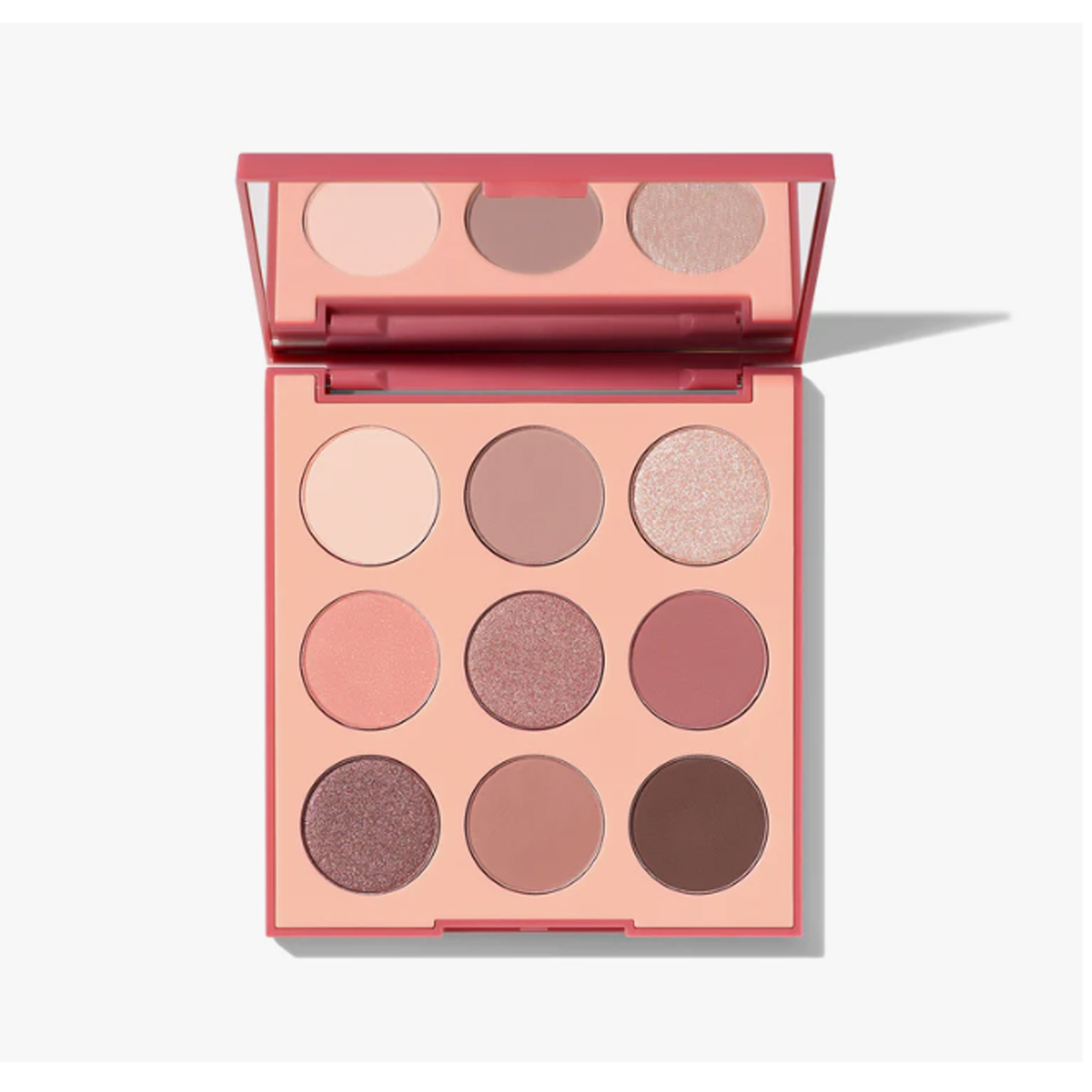
Consumer demand for extreme-wear cosmetics continues to skyrocket globally. Shoppers now expect their eye makeup to survive intense workouts, rigorous swimming sessions, and highly humid climates. Creating a truly reliable waterproof eyeshadow demands immense precision from product developers. You must carefully balance long-lasting adhesion alongside strict eye safety, smooth blendability, and effortless removal. This presents a highly complex formulation challenge. A single product failure can destroy consumer trust instantly.
We built this comprehensive guide to help beauty brand owners, product managers, and sourcing specialists navigate these formulation hurdles. You will discover an evidence-based framework to evaluate chemical formulations and assess packaging formats. We also provide actionable steps to audit manufacturing partners confidently before you commit to a large-scale production run.
Key Takeaways
True "waterproof" claims require rigorous clinical testing and distinct chemical formulations compared to standard "water-resistant" products.
The choice of packaging and format (e.g., pen vs. palette) directly impacts the user's application experience and the formula's volatile ingredients.
High pigmentation must be balanced with ophthalmologist-approved safety standards to prevent consumer eye irritation.
Selecting a private label partner requires auditing their compliance, ingredient transparency, and real-world durability testing data.
Formulating for the Market: Waterproof vs. Water-Resistant
Defining the Baseline
Chemical structures dictate cosmetic performance. Standard water-resistant formulas rely on traditional waxes. These ingredients repel surface moisture effectively. However, they degrade under continuous water exposure. Truly waterproof cosmetics require advanced chemistry. They utilize volatile solvents paired alongside specialized film-forming polymers. Upon application, these solvents evaporate into the air. They leave behind a continuous, impermeable matrix over the eyelid. This distinct chemical barrier locks pigments securely into place.
You must understand the regulatory differences clearly. Regulatory bodies separate temporary repellency from complete impermeability. Consider these distinct scientific baselines:
Formulations must undergo controlled water immersion tests to prove continuous film formation.
Scientists evaluate pigment degradation percentages after prolonged moisture exposure.
Brands must secure objective clinical evidence before printing waterproof claims on packaging.
Consumer Pain Points
Shoppers encounter daily frustrations regarding eye makeup longevity. Standard products smudge easily during strenuous gym workouts. Sweat mixes aggressively alongside vivid color pigments. This messy mixture often runs directly into the eyes. It causes severe stinging and watery irritation. Oily eyelids present another significant hurdle. Natural sebum breaks down traditional powder binders rapidly. This chemical breakdown leads directly to heavy creasing. You must formulate solutions addressing these exact grievances. Your product needs to prioritize extreme endurance alongside absolute comfort.
The Trade-Off Matrix
Highly durable formulas carry inherent usage challenges. They stick stubbornly onto the delicate eyelid skin. This intense adhesion makes them inherently harder to blend. Makeup beginners often struggle during application. Furthermore, safe removal requires specialized aggressive cleansers. Brands must decide their strategic market position. Do you prioritize absolute longevity? Or do you favor an effortless user experience? You must find the optimal balance for your target demographic.
Performance Metric
Water-Resistant Formula
Waterproof Formula
Chemical Base
Waxes and light silicones
Volatile solvents and film-forming polymers
Blendability
High (extended play time)
Low (rapid set time)
Removal Effort
Easy (standard cleansers work)
High (requires bi-phase removers)
Moisture Endurance
Repels light sweat and tears
Survives swimming and heavy workouts
Selecting the Right Delivery System and Format
The Stick/Pen Format
Packaging directly dictates formula stability. Volatile solvents evaporate quickly into the air. Your chosen container must prevent premature drying. Modern consumers value portability above almost everything else. The Double Headed Waterproof Eyeshadow Pen provides a high-convenience, travel-friendly solution. Shoppers toss it effortlessly into gym bags.
Pros: It guarantees highly precise application every single time. The rapid set-time appeals strongly to makeup beginners. Users bypass the need for separate applicator brushes.
Cons: The active formula dries out rapidly upon exposure. Manufacturers must strictly enforce airtight packaging standards. Cap seal failures destroy the entire product lifespan prematurely.
The Palette Format
Traditional makeup lovers prefer comprehensive color options. Evaluate the strategic viability of a Private Label High Pigmented Eyeshadow Palette boasting waterproof claims. Multi-pan formats look luxurious sitting on retail shelves.
Pros: Palettes carry a significantly higher perceived retail value. Brands can design complex, engaging color stories. You can offer multiple finishes ranging from flat mattes to foiled metallics.
Cons: Waterproof powders require highly specialized chemical binders. These binders prevent the powder pans from hardening into unusable blocks over time. Achieving a truly impermeable film via pressed powder remains technically difficult.
Key Evaluation Criteria for Formulations
Pigment Load and Color Payoff
Waterproofing agents alter color dynamics significantly. Ingredients like heavy silicones dilute raw pigment intensity. You must test the final color payoff rigorously. Swatch the wet formula next to dry baseline controls. Assess whether the evaporation phase mutates the intended shade. High-performance formulas maintain absolute color fidelity. They lock the pigment seamlessly within the polymer matrix. Demand multiple drawdown tests from your manufacturing lab.
Set Time vs. Play Time
Evaporation rates control the application window entirely. Consumers need a critical window to blend the edges smoothly. Chemists call this the "play time". Once the volatile ingredients evaporate completely, the waterproof film locks down firmly. Too fast, and the user gets harsh, unblendable lines. Too slow, and the product creases before setting properly. Aim for a 30-second to 45-second working window. This timeframe ensures user-friendly application.
Sebum Resistance
Water immersion tests only tell half the story. Natural eyelid oils actively destroy makeup bases all day. You must evaluate the formula's inherent ability to withstand sebum. Smudge-proof testing remains absolutely critical. Resisting sweat means nothing if natural skin oils melt the product. We recommend rubbing artificial sebum across dried laboratory swatches. This friction test reveals the actual durability rating accurately.
Removal Requirements
Extreme adhesion complicates the evening cleansing process. Assess the absolute necessity of bi-phase makeup removers. Brands must evaluate the daily removal experience carefully. Hard-to-remove products force consumers into excessive eye rubbing. This harsh friction causes painful micro-tears along the delicate eyelid. Negative user feedback often stems from a frustrating removal process. Formulate a product melting away smoothly under oil-based cleansers.
Compliance, Eye Health, and Safety Standards
Ophthalmological Testing
Eye safety remains entirely non-negotiable. Consumers apply these products millimeters away from the mucosal membrane. Harsh chemicals easily migrate into the tear duct. You must mandate strict ophthalmological testing protocols. Independent medical professionals must verify the final safety profile. They check for corneal irritation, allergic conjunctivitis, and tear film disruption. Never skip this vital clinical validation step.
Clean Beauty & Ingredient Scrutiny
Modern consumers scrutinize ingredient lists aggressively. You face the challenge of creating durable cosmetics safely. Avoid relying on controversial PFAS compounds completely. These "forever chemicals" face massive consumer backlash globally. Substitute harsh, irritating volatile solvents whenever possible. Explore innovative, plant-derived film formers instead. Clean beauty formulations build long-term brand loyalty. They prove high performance does not require toxic chemistry.
Labeling and Claims
Legal frameworks dictate cosmetic marketing terminology strictly. Claims like "24-hour wear" or "swim-proof" invite immediate regulatory audits. Ensure your manufacturing partner provides comprehensive clinical substantiation. You need empirical lab data backing up these aggressive claims. Misleading labels trigger costly product recalls and consumer lawsuits. Keep a detailed dossier holding all independent efficacy results securely.
Auditing and Shortlisting a Private Label Manufacturer
Requesting Samples
The sampling phase reveals true manufacturing competence. Inspect every single prototype ruthlessly under simulated stress tests. What exactly should you look for during this phase?
Check for the separation of oils and pigments inside the container.
Look for visible shrinkage or cracking inside the powder pan.
Evaluate the cap seal integrity on pen formats closely.
Listen for an audible "click" ensuring the airtight closure works.
Scalability and Batch Consistency
Perfect lab prototypes do not guarantee commercial production success. Ensure the facility maintains exact pigment matching consistently. They must replicate the waterproof efficacy across massive, large-scale production runs. Ask about their internal quality control tolerances. Review their historical batch consistency data. A reliable partner implements automated spectral analysis confirming color uniformity.
Next-Step Actions
Move systematically from pilot testing toward commercial agreements. Conduct real-world wear tests across multiple skin types. Include varying age demographics in your user panels. Mature eyelids test crease resistance better than young skin. Gather this empirical feedback carefully. Use this hard data to finalize the private label contract confidently. Solid preparation prevents expensive manufacturing disasters.
Conclusion
Choosing the right waterproof eyeshadow formulation remains a delicate balancing act. You must align extreme environmental durability, intense pigmentation, and strict eye safety harmoniously. Formula failures destroy consumer trust, while superior performance builds lifelong brand advocates. By thoroughly testing set times, sebum resistance, and removal protocols, you guarantee a superior user experience.
Prioritize manufacturers who offer fully transparent testing data. Select packaging formats matching your target demographic's active lifestyle seamlessly. We recommend following these actionable next steps:
Demand independent ophthalmological testing documentation before signing contracts.
Conduct artificial sebum rub tests on all prototype swatches.
Verify airtight cap seal mechanisms on all pen-style applicators.
Launch diverse consumer wear panels validating your marketing claims.
FAQ
Q: What makes an eyeshadow formula waterproof?
A: The inclusion of specific film-forming polymers, volatile solvents that evaporate to lock the pigment in place, and hydrophobic (water-repelling) silicones or waxes.
Q: Can a powder eyeshadow palette truly be waterproof?
A: Traditional pressed powders are rarely entirely waterproof. Highly water-resistant powders use specialized hydrophobic coatings on the pigments, but cream or liquid formulas (like pens) generally offer superior waterproof performance.
Q: How do we test our manufacturer's waterproof claims before launching?
A: Implement controlled clinical trials, real-world consumer wear panels (including workouts and water exposure), and standardized rub-tests on synthetic skin to evaluate both adhesion and color fade.
Guangzhou Vast Cosmetic Co.,Ltd. was established in 2018, a high-tech enterprise focusing on customizing make-up for customers, integrating scientific research, production, sales and service.