High-stakes environments often destroy average eye makeup in a matter of minutes. Humidity, sweat, and long workdays demand maximum performance from our cosmetics. Traditional formulas melt, smudge, or fade away when you need them most. You might reach for a waterproof alternative to fix this persistent issue. However, a "waterproof" label does not universally guarantee a flawless, all-day finish without proper evaluation. We must understand how these formulas actually behave on the skin. This article provides an evidence-based framework to guide your purchasing decisions. We will help you determine if a liquid waterproof formula fits your specific skin type and durability requirements. You will learn how to evaluate drying times, ingredient mechanics, and application tools. We cover everything from complex cosmetic chemistry to practical daily usage routines. By the end, you can make an informed choice for your beauty regimen.
Key Takeaways
Liquid waterproof formulas excel in high-humidity and water-exposure scenarios but require specific application techniques to avoid cracking or heavy texture.
"Waterproof" does not equal "oil-proof"; individuals with highly oily eyelids still require strategic prep for true long-lasting wear.
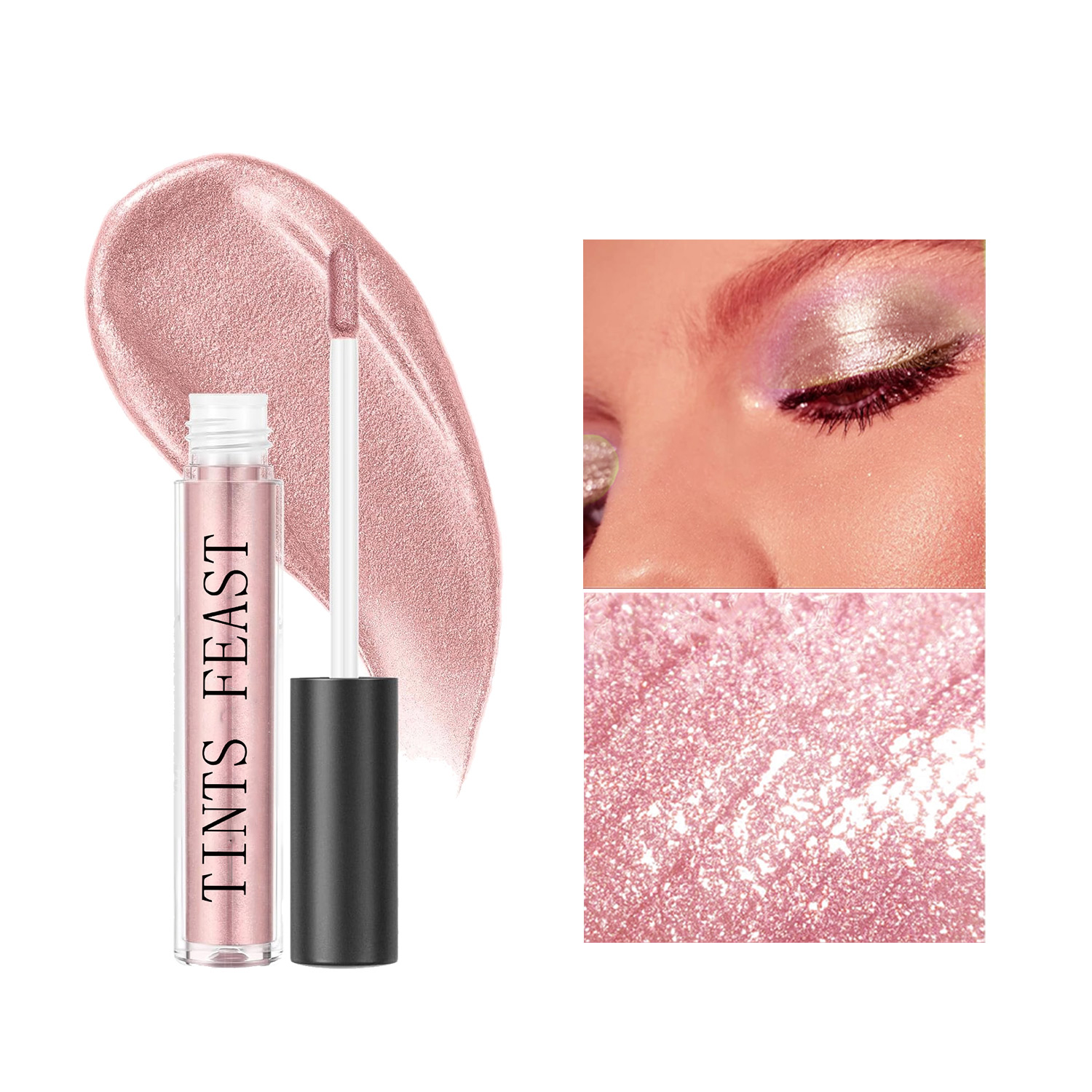
A high-quality Long-lasting Pigmented Liquid Eyeshadow provides superior color payoff and zero fallout compared to traditional powders.
Multi-format tools, such as a Double Headed Waterproof Eyeshadow Pen, offer the best balance of precision, speed, and durability for on-the-go application.
The Chemistry of Waterproof Eyeshadow: Film Formers vs. Wearability Realities
We often assume waterproof makeup works like magic. In reality, it relies on precise cosmetic chemistry. These products utilize specific ingredients to resist moisture. Understanding this mechanism helps you manage expectations.
Most liquid eyeshadows rely on a three-step chemical process:
Delivery via Solvents: The formula uses volatile solvents. Isododecane is a highly common example. These liquids keep the pigment fluid during application.
Rapid Evaporation: Once the product touches your skin, the solvent evaporates quickly. This leaves only the active cosmetic ingredients behind.
Polymer Sealing: Film-forming polymers bind the pigment molecules together. They create a flexible, water-resistant seal over the eyelid.
This process explains why water cannot easily wash the color away. However, we must clarify a major industry misconception. Water resistance protects against sweat and tears. It does not automatically protect against sebum. Sebum is the natural oil produced by your skin. Oil breaks down cosmetic polymers very effectively. You might buy the most expensive waterproof product available. If you have extremely oily eyelids, the formula can still break down. True wearability requires managing this natural oil production.
Manufacturers face a difficult trade-off when formulating these products. They must balance extreme longevity against eyelid flexibility. The eyelid skin is incredibly thin. It moves constantly as we blink. Heavily waterproof formulas often use rigid polymers. These can feel tight or excessively dry. High-quality products now incorporate modern hydrating agents. Ingredients like hyaluronic acid or squalane prevent the polymer film from shrinking. They keep the color locked in place while maintaining comfort.
Liquid vs. Powder vs. Cream: Making the Decision for Long-Lasting Makeup
Choosing the right format heavily influences your final makeup result. Each texture interacts differently on the skin. We must evaluate their specific features objectively.
Powder eyeshadows remain incredibly popular. They are exceptionally easy to blend. Beginners often prefer powders for soft transitions. However, powders are highly vulnerable to humidity. They sit loosely on the skin surface. You almost always need a dedicated primer to extend their longevity.
Cream formulas offer a completely different experience. They usually come in small pots or thick sticks. Creams feel very hydrating. They blend beautifully into the skin. Unfortunately, creams remain malleable. They are highly prone to creasing in eyelid folds. Your body heat keeps the cream soft all day.
Liquid formats solve many of these issues. They set rapidly upon application. They lock firmly in place. They produce absolutely zero fallout under the eyes. Liquids are the definitive choice for long-wear scenarios.
Formula Features and Outcomes
Format Type
Blendability
Longevity Risk
Best Use Case
Powder
High
Fades in humidity; requires primer
Soft, diffused everyday looks
Cream
Medium-High
Severe creasing in eyelid folds
Quick, single-color hydrated washes
Liquid
Medium
Sets permanently; can feel dry if cheap
High-stakes events and intense physical activity
Liquid formats also hold a massive pigment advantage. A premium Long-lasting Pigmented Liquid Eyeshadow delivers significantly higher opacity. The liquid base suspends dense color particles perfectly. It also offers superior metallic and glitter adhesion. Pressed powders often lose their sparkle by midday. Liquid suspends these reflective particles in a secure polymer matrix. You get a vivid, dimensional finish all day long.
Core Evaluation Criteria: How to Shortlist a High-Performance Formula
Not all liquid eyeshadows perform equally. You must evaluate them critically before purchasing. Professional makeup artists use specific criteria to shortlist products. We can apply these same standards to your daily routine.
Dry-Down Time: We call this the "workability window." You must evaluate how quickly the formula sets. It needs to offer enough time to blend harsh edges. However, it must lock down permanently within a minute. If it stays wet too long, it will transfer to your upper lid.
Layering and Flaking Risk: Assess how the product behaves when built up. Sometimes you want sheer coverage. Other times you want intense opacity. Poorly formulated liquids crack under pressure. They flake off in unsightly chunks when you apply a second coat.
Weightless Finish: Look for sophisticated formulations. They should not texturize the delicate eyelid. Cheaper waterproof liquids often emphasize fine lines. They create a heavy, crepe-like appearance on the skin.
Ophthalmologist Testing: Safety is paramount. Waterproof formulas sit dangerously close to your lash line. The volatile solvents can cause irritation. Ophthalmologist-tested products ensure safety. This is especially crucial for contact lens wearers.
Testing these criteria requires attention to detail. Always swatch the product on the back of your hand first. Wait exactly sixty seconds. Try to smudge the color aggressively. A high-performance formula will not budge. Next, smile widely to stretch the skin on your hand. If the swatch cracks like dry desert earth, do not put it on your eyes.
Assessing Format Efficiency: The Double Headed Waterproof Eyeshadow Pen
Application friction ruins many morning makeup routines. Liquid wands often come in standard tube packaging. They feature a sponge doe-foot applicator. This works well for broad strokes across the main lid. Unfortunately, they severely lack precision. They make under-eye work frustrating. Lining the upper lash line becomes incredibly messy.
Brands recognized this persistent consumer struggle. They developed sophisticated multi-tool solutions. A high-quality Double Headed Waterproof Eyeshadow Pen acts as a strategic choice. It maximizes both speed and accuracy.
These innovative pens usually feature two distinct ends. One end provides a liquid applicator for sweeping color. The opposite end features a precision smudger or a fine-tip liner. This intelligent design reduces your reliance on secondary brushes. You no longer need to search for a clean detailing brush. You have everything required in one single tool.
This format drastically improves travel scalability. Carrying a full makeup bag is inconvenient. Liquid wands, detail brushes, and setting sprays take up space. A double-headed pen solves this logistical issue instantly. You can transition your look from a desk job to a dinner event seamlessly. Touch-ups take mere seconds. You just uncap the pen, apply, blend, and go. It represents the ultimate efficiency in modern cosmetic design.
Implementation Risks and Best Practices for Zero Creasing
Even the best formulas fail if you apply them poorly. You must prepare your canvas correctly. The eyelid produces a surprising amount of natural oil. You must address this before opening your makeup.
Your prep protocol matters immensely. We strongly recommend stripping natural oils from the lid. Take a cotton pad soaked in simple micellar water. Gently wipe the entire eyelid area. Allow the skin to dry completely. This creates a pristine, oil-free surface. The polymers can now adhere directly to your skin.
Application technique dictates the final texture. We recommend the "tap and blend" method. Apply a small dot of product directly to the center of the lid. Use a flat synthetic brush or a clean fingertip. Tap the product gently to spread it outwards. We must issue a stern warning here. Avoid aggressive, sweeping rubbing motions. Rubbing actively disturbs the polymer film as it tries to set. It causes the product to pill and roll off the skin.
Best Practices for Liquid Application:
Apply in very thin, even layers.
Keep your eye closed for 15 seconds after applying to prevent transfer.
Blend the edges immediately before the center fully dries.
Common Mistakes to Avoid:
Applying liquid over a heavy, oil-based concealer.
Using fluffy natural-hair brushes (they absorb too much liquid).
Adding water to sheer out the formula (water ruins the solvent balance).
Finally, we must discuss the removal reality. True waterproof liquid makeup stubbornly resists standard water-based cleansers. Regular face wash will absolutely fail. You will end up scrubbing your eyes aggressively. This damages the delicate skin and causes premature aging.
You must mandate the use of specialized removers. Bi-phase eye makeup removers work exceptionally well. They contain an oil phase and a water phase. You shake the bottle to mix them. The oil breaks down the waterproof polymers. The water washes the residue away. Alternatively, use a high-quality oil-based cleansing balm. Massage it gently over dry eyelids. The makeup will melt away without any harsh tugging.
Conclusion
A reliable waterproof eyeshadow is highly suitable for long-lasting makeup. In fact, it often serves as the most durable option available. Liquid formulas utilize advanced polymer chemistry to lock pigment in place. They completely eliminate fallout and resist intense humidity.
However, success depends entirely on your execution. You must prioritize proper eyelid preparation. Stripping away natural oils ensures maximum adhesion. You must also understand the rapid dry-down time. Applying thin layers prevents flaking and cracking. The formula demands respect during application and removal.
Your next steps are clear. Audit your current makeup removal tools first. Ensure you own a dedicated bi-phase remover or cleansing balm. Then, select a formula format that matches your daily routine. A traditional wand suits broad application. A double-headed pen provides superior precision for quick, on-the-go routines. Make your choice based on your skill level and specific aesthetic needs.
FAQ
Q: Will liquid waterproof eyeshadow crease on hooded or mature eyes?
A: Yes, it can crease if applied incorrectly. You must apply incredibly thin, even layers. Thick application causes heavy creasing regardless of any waterproof claims. Keep your eye closed while the product dries fully to prevent it from transferring into the hooded fold.
Q: Do I need an eye primer under a liquid waterproof eyeshadow?
A: A primer is often unnecessary for water resistance alone. The liquid forms its own seal. However, if you have excessive eyelid oil, a mattifying primer helps immensely. It blocks sebum from breaking down the waterproof polymers.
Q: How do I revive liquid eyeshadow if it dries too quickly during application?
A: Once the polymer film sets, do not add water. Water will just roll off or ruin the texture. Instead, use a very tiny amount of fresh product on your brush. Tap it gently over the dry edge to re-wet and blend the seam.
Guangzhou Vast Cosmetic Co.,Ltd. was established in 2018, a high-tech enterprise focusing on customizing make-up for customers, integrating scientific research, production, sales and service.