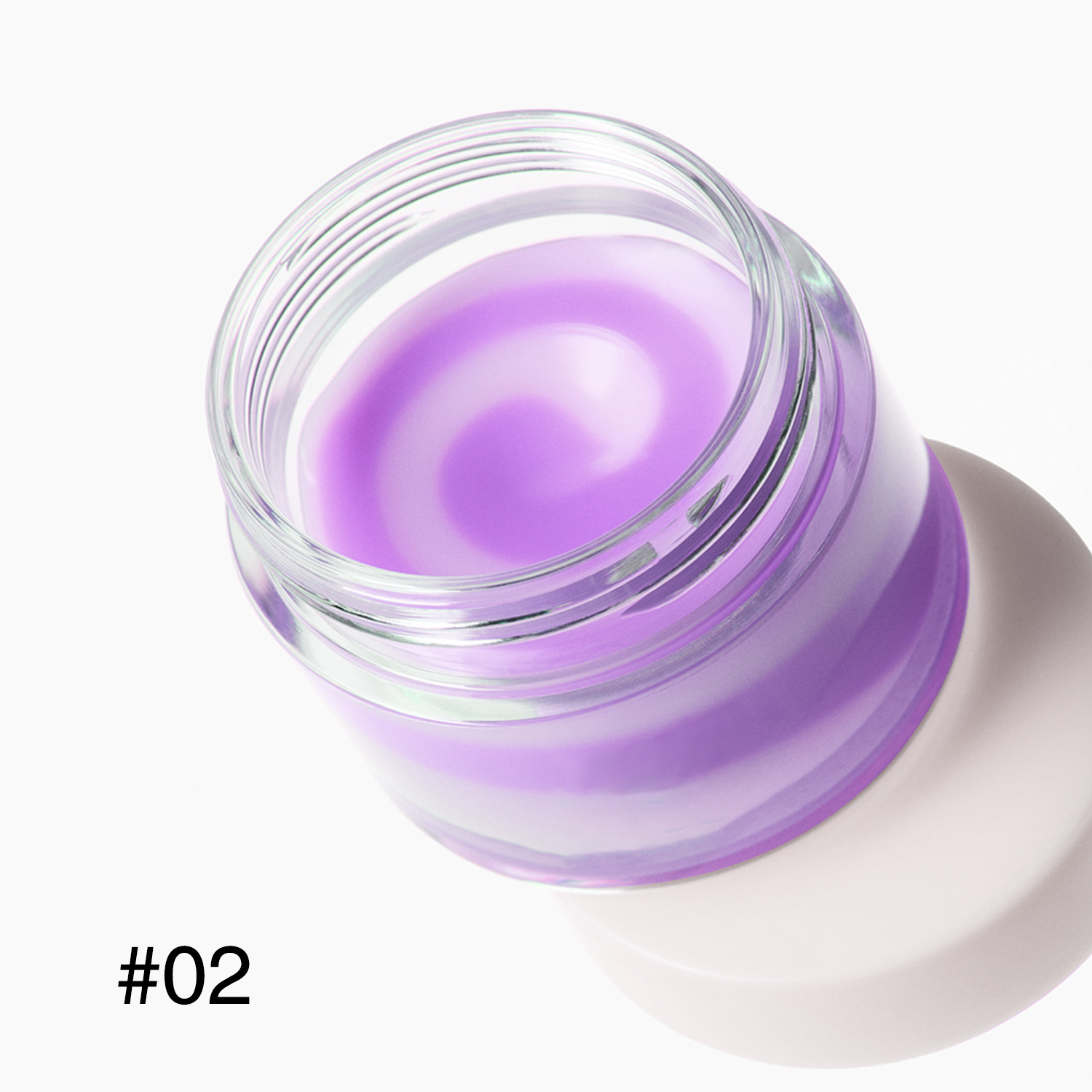
Lip care has evolved far beyond basic, utilitarian chapsticks. Today, high-margin overnight treatments dominate the global beauty market. They are a non-negotiable staple in any successful skincare or cosmetics line. However, launching a competitive product in this space is undeniably tough. Modern consumers are highly educated. They demand flawless, luxury-level experiences and rigorously scrutinize new releases against viral, high-end competitors.
To succeed, cosmetic founders must evaluate manufacturer samples with the precision of a formulation engineer. You cannot simply approve a product based on a pleasant scent. In this comprehensive guide, you will learn the exact technical criteria for assessing texture, moisturizing performance, and packaging stability. Mastering these elements ensures your next overnight treatment becomes a true, highly profitable best-seller.
Key Takeaways
Texture is the Deciding Factor: A premium formula must exhibit precise rheology. It should melt seamlessly at skin temperature (approx. 37°C) while avoiding heavy, sticky, or suffocating residues.
Scientific Ingredient Synergy: The most effective formulas strike a precise balance. They combine humectants to draw in moisture with powerful occlusives to lock it in. Star actives like peptides and hydrolyzed collagen elevate the formula from basic to advanced.
Packaging Drives User Experience: The strategic choice between a heavyweight jar with a custom spatula or a hygienic squeeze tube dictates brand perception and daily usability.
OEM Manufacturing Certification: Partnering with a GMPC and ISO 22716 certified contract manufacturer guarantees formula stability, scalable production, and strict global compliance.
The Booming Market for Nighttime Lip Recovery
Analyzing the Shift in Consumer Behavior
The cosmetic industry is witnessing a massive transformation in lip care routines. Historically, lip balm was a reactive, quick-fix measure for winter chapping. Now, it is a proactive, essential extension of the nightly skincare ritual. Recent industry data reveals a distinct "skinification" of the lip category. Search volumes for intensive nighttime lip repair have surged by over 40% year-over-year. Consumers actively seek out formulas infused with facial-grade active ingredients, pushing this category from a niche luxury to an everyday necessity.
The "Luxury Dupe" and Commercial Opportunity
Social media has democratized beauty trends, accelerating a massive "dupe" culture. Shoppers hunt for high-quality, accessible alternatives to viral prestige brands. This shift presents a highly lucrative window for independent cosmetic founders. By developing a product that matches the sensory experience and clinical efficacy of luxury counterparts, brands can instantly capture a highly motivated demographic. However, your formula must withstand intense, side-by-side consumer comparison.
Strategic Business Benefits
From a commercial perspective, launching a dedicated moisturizing lip care product offers compelling advantages. Nighttime treatments command significantly higher retail price points than standard daily balms. This results in robust profit margins. Furthermore, because these products yield visible, tactile results by morning, they boast exceptionally high customer retention rates. A scientifically sound, well-formulated mask quickly becomes the hero product anchoring your entire skincare portfolio.
How to Evaluate Texture: The Engineering of Sensory Experience
Testing the Perfect "Melt" and Rheology
When evaluating a manufacturer's sample, physical interaction dictates everything. A high-quality formula presents as a solid, dense balm in the container. Yet, the true test of formulation expertise lies in its rheology—specifically, its shear-thinning behavior and melting point. Apply a 0.5g sample to the back of your hand. It should yield instantly to natural body heat (approximately 37°C). This rapid "melt" ensures effortless spreadability. It completely prevents dragging or pulling on delicate, micro-thin lip tissue.
Balancing Film-Forming Thickness with a Non-Sticky Finish
The primary function of an overnight treatment is providing a protective barrier that survives 7 to 8 hours of sleep. Formulators walk a tightrope here. They must create a substantial, protective layer without producing a sticky, uncomfortable mess. When assessing a sample in the lab or office, press your lips together. Evaluate the "tackiness." You should feel a smooth, cushioned slip, not a glue-like resistance. Formulas that are too sticky transfer onto pillows and infuriate users. The ideal texture feels plush, rich, and structurally secure.
Calibrating Scent, Flavor, and Color Profiles
This product sits directly under the user's nose for hours. Therefore, the olfactory experience requires precise calibration. Subtle, soothing scents—like natural berry extracts or calming chamomile—enhance the nighttime wind-down ritual. Conversely, overly synthetic fragrances trigger headaches and irritate sensitive mucosal tissue. If your formula includes a sheer tint, conduct a rub-off test to ensure it does not stain bedding. Flavor profiles must remain neutral or slightly sweet. Strictly avoid the bitter chemical aftertastes that often accompany raw active ingredients.
Assessing Moisturizing Performance and Core Ingredients
The Science of Hydration: Humectants vs. Occlusives
A highly effective overnight treatment is never just a superficial layer of wax. It is an advanced anhydrous system or complex emulsion engineered for deep cellular repair. Brand founders must understand moisturizing synergy when reviewing an ingredient deck. A superior hydrating lip mask utilizes a three-tiered approach to combat Transepidermal Water Loss (TEWL).
Ingredient Category
Mechanism of Action
Optimal Formulation Examples
Humectants
Draws water from the dermis and environment into the stratum corneum.
Hyaluronic Acid, Glycerin, Sodium PCA
Emollients
Fills micro-cracks between skin cells, instantly softening the tissue.
Squalane, Ceramides, Jojoba Seed Oil
Occlusives
Forms a hydrophobic physical barrier to block TEWL overnight.
Formulating with Star Ingredients: Peptides and Hydrolyzed Collagen
To elevate a product from a standard balm to a premium "Nourish & Hydrate" treatment, active ingredients are mandatory. Peptides are short amino acid chains that signal the skin to synthesize collagen and elastin. In lip formulations, specific peptides deliver a subtle, long-term plumping effect without the stinging irritation of traditional plumpers. Additionally, hydrolyzed collagen acts as an exceptional surface-level moisture binder. It temporarily smooths fine lines and drastically improves overall lip texture.
Evaluating Real-World Morning-After Results
The ultimate metric for any nighttime product is the skin's condition upon waking. Establish a strict testing protocol. After 8 hours of sleep, is a thin, protective film still present? Do the lips appear visibly plumper due to retained hydration? Are dry, peeling patches softened enough to easily wipe away during a morning cleanse? If a sample absorbs completely within two hours and leaves the skin tight by morning, the formula fundamentally lacks sufficient occlusive agents.
Choosing the Right Packaging for Your Private Label Product
Classic Heavyweight Jars vs. Hygienic Tubes
Packaging is a critical component of brand positioning and user experience. The traditional format for luxury treatments is a heavy-walled jar. This immediately communicates premium value and allows for visually stunning unboxing experiences. However, jars require users to dip fingers or use a separate spatula, which raises hygiene concerns. Conversely, modern squeeze tubes with slanted applicator tips offer sanitary, hands-free application. While tubes may seem less "luxurious," they strongly appeal to practical, on-the-go consumers.
Material Selection and Brand Identity
The materials chosen for your packaging instantly signal your market tier. Frosted glass or double-walled acrylic jars provide a satisfying weight suited for prestige lines. For eco-conscious brands, Post-Consumer Recycled (PCR) plastics or aluminum tubes are excellent choices. Meanwhile, standard PET or PP plastics remain highly durable and cost-effective. These are ideal if you are developing a private label lip mask aimed at a mass-market price point.
Customization Details That Drive Value
To stand out on crowded shelves, secondary packaging must be meticulously engineered. Custom folding cartons protect the primary container and provide real estate for regulatory compliance and brand storytelling. If you opt for a jar, design a custom silicone applicator spatula. Integrating a hygienic storage solution—such as a built-in compartment within the lid—significantly elevates the perceived value of your product.
Crucial Quality Control & Stability Testing
Temperature and Shelf-Life Stability
Because these formulations rely heavily on delicate balances of waxes and butters, they are highly susceptible to temperature fluctuations. A formula that performs beautifully in a climate-controlled lab can easily melt into a messy puddle during summer transit. Professional contract manufacturers conduct rigorous stability testing. They place samples in environmental chambers at elevated temperatures (40°C to 45°C) for 8 to 12 weeks to simulate a two-year shelf life. Freeze-thaw cycle testing is equally mandatory. This ensures the wax matrix does not crack or separate when exposed to freezing cargo holds.
Safety and Patch Testing Protocols
The lips are a highly sensitive mucosal membrane. Any product applied to them is inevitably ingested in micro-amounts. Therefore, safety protocols must be stricter than those for standard body lotions. Brands must verify that their manufacturing partner conducts comprehensive microbiological testing. The product must be completely free from harmful bacteria, yeast, and mold. Heavy Metal testing ensures compliance with FDA and EU regulations. Furthermore, Human Repeat Insult Patch Testing (HRIPT) confirms the formula is hypoallergenic and safe for daily use.
How to Partner with the Right OEM/ODM Manufacturer
Evaluating Manufacturing Capabilities and Certifications
Ultimately, your product is only as good as the facility producing it. Brand founders must look beyond flashy marketing and strictly verify official certifications. A reputable factory operates under Good Manufacturing Practices (GMPC) and holds ISO 22716 certification. These standards guarantee cleanroom environments, prevent cross-contamination, and enforce rigorous QA protocols. Partnering with a certified OEM lip care provider mitigates severe operational risks and ensures global legal compliance.
Turnkey Solutions vs. Custom Formulations
Brand owners generally have two distinct pathways. White-label or turnkey solutions involve selecting a pre-existing, clinically tested formula from the factory's library. This allows for a faster time-to-market and lower Minimum Order Quantities (MOQs). Alternatively, custom formulation allows you to build a proprietary product from scratch. You might create a 100% vegan formula or add unique botanical extracts. While custom R&D takes longer, it provides a powerful unique selling proposition.
Conclusion
Launching a highly profitable overnight lip treatment requires far more than picking a pleasant flavor and a pretty jar. It demands a strictly scientific approach. You must evaluate rheology to ensure the perfect melt without sticky residue. You must balance humectants with occlusives for genuine, measurable cellular repair. Finally, you must rely on strategic packaging and rigorous stability testing to deliver a flawless user experience.
For cosmetic entrepreneurs, the key to long-term success is eliminating guesswork. Stop risking your brand's reputation with unverified suppliers. Partner with experienced, certified manufacturers who can expertly guide you through formulation, packaging, and compliance. To start your journey, explore the comprehensive OEM/ODM capabilities and premium formulations at Tintsfeast. Request your samples today and take the first confident step toward building your brand's next hero product.
FAQ (Frequently Asked Questions)
What is the difference between a lip balm and a lip sleeping mask?
Lip balms are generally formulated with lighter waxes designed for temporary, daytime relief and easy, on-the-go reapplication. In contrast, sleeping masks are much thicker, highly concentrated treatments crafted with heavier occlusives. They are specifically engineered to provide deep, uninterrupted overnight repair and actively prevent Transepidermal Water Loss (TEWL) while you sleep.
What is the standard MOQ (Minimum Order Quantity) for a private label lip mask?
MOQs vary significantly based on your specific customization requirements. If a brand selects standard, in-stock packaging and a pre-existing turnkey formula, MOQs can often be as low as 1,000 to 3,000 units. However, if you require fully custom formulations or custom-molded packaging, expect MOQs to range from 5,000 to 10,000 units depending on the manufacturing partner's production lines.
Can I formulate a vegan and cruelty-free overnight lip mask?
Absolutely. Modern cosmetic chemistry makes it entirely possible to create incredibly luxurious, high-performing masks without any animal byproducts. Skilled formulators easily replace traditional animal-derived ingredients, such as beeswax or lanolin, with highly effective plant-based alternatives like carnauba wax, candelilla wax, or premium synthetic beeswax.
How long does it take to develop a custom hydrating lip mask?
The development timeline heavily depends on the complexity of your project. Generally, custom sample formulation takes about 2 to 4 weeks. Once your brand officially approves the final sample and the packaging design is locked in, mass production and mandatory quality control stability testing typically require an additional 30 to 45 days before the product is ready to ship.
Can an overnight lip mask be used during the day?
Yes, but with caveats. Because these formulas are packed with heavy occlusives, they provide an excellent glossy, protective layer against harsh daytime weather. However, their thick rheology may feel too heavy for casual daytime wear and can interfere with the application of matte lipsticks or lip liners. Many users prefer to apply a very thin layer during the day as a heavy-duty balm.
What ingredients should be avoided in a lip sleeping mask?
When formulating for nighttime repair, avoid ingredients that cause micro-exfoliation or irritation over prolonged exposure. Steer clear of high concentrations of camphor, menthol, or salicylic acid, which are meant for quick medicated relief but can dry out the lips overnight. Additionally, avoid artificial fragrances with high allergen profiles, as the product sits directly beneath the nose for 8 hours.
Guangzhou Vast Cosmetic Co.,Ltd. was established in 2018, a high-tech enterprise focusing on customizing make-up for customers, integrating scientific research, production, sales and service.