Have you ever stared at the makeup aisle feeling completely overwhelmed by endless choices? Finding your perfect base makeup involves more than just matching a color swatch perfectly. Choosing between a serum foundation and a liquid foundation often comes down to skin goals rather than mere product preference. While both fall under the "liquid" category, they serve fundamentally different functions. One acts as a hybrid skincare-makeup solution. The other prioritizes traditional pigment coverage and finish control. Understanding this core difference saves you time, money, and daily frustration. Applying the wrong formula can leave your face looking dry, cakey, or overly greasy by midday. This guide helps you evaluate which formulation aligns best for your daily needs. You will discover how to match each base to your specific skin type. We will also explore typical daily routines and how to achieve your desired end-result flawlessly.
Key Takeaways
Serum Foundations are pigment-rich, skincare-forward products designed for a sheer, "no-makeup" look with active ingredient benefits.
Liquid Foundations offer a broader spectrum of coverage—from sheer to full—and are optimized for texture correction and long-wear performance.
The choice should be based on your "problem-to-solve": treat fine lines and dehydration with serums; control oil or cover blemishes with specific liquid formulas.
Implementation reality: Serum foundations require shorter prep time but may lack the durability for humid environments; liquid foundations offer more predictability but require better color matching.
Understanding the Formulation Divide
Defining the Serum Foundation
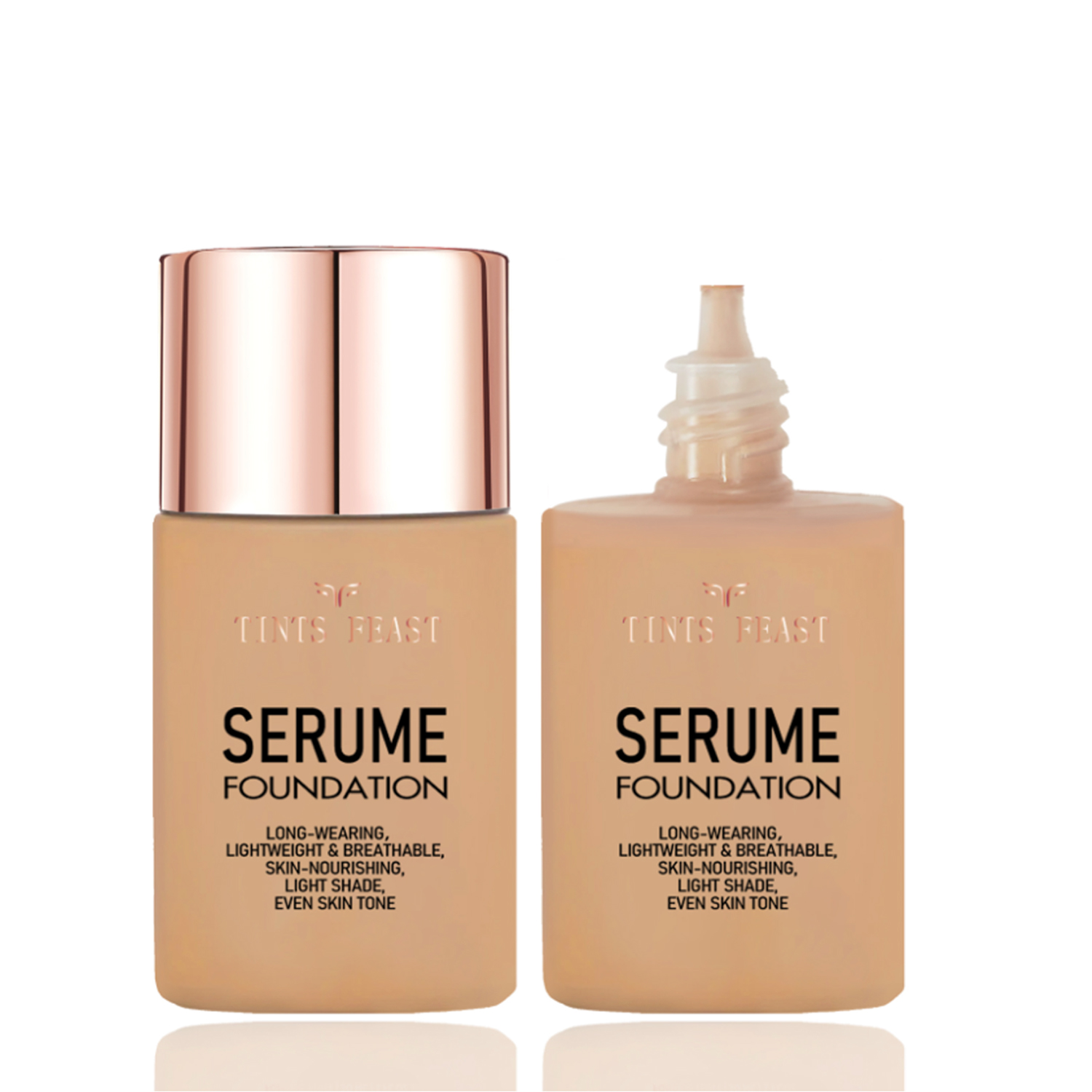
How do these hybrid products bridge the gap between treatment and coverage? They focus primarily on hydration and skin barrier support. A Serum Foundation acts like a tinted moisturizer elevated by potent skincare actives. Cosmetic chemists blend hyaluronic acid, niacinamide, and squalane directly into the pigment matrix. This creates a fluid base. It deeply nourishes the epidermis throughout the day. You do not just cover imperfections. You actively treat underlying dryness and dullness. They feel incredibly weightless upon application. Most formulas sink into your pores almost immediately. They leave behind a subtle, glowing tint. This category revolutionizes how we approach daily makeup. You no longer have to sacrifice skin health for an even complexion. However, you must temper expectations regarding opacity. They prioritize translucency over total concealment.
The Traditional Liquid Foundation
Why do traditional formulas remain the industry standard? They provide unmatched consistency, pigment density, and finish varieties. A standard Liquid Foundation utilizes a higher concentration of iron oxides and titanium dioxide. This denser pigment load ensures comprehensive coverage. You can easily camouflage acne scars, hyperpigmentation, and stubborn redness. Manufacturers also formulate these bases in distinct finishes. You can choose from ultra-matte, satin, or dewy options. Matte variations typically contain oil-absorbing silica or kaolin clay. Dewy versions rely on light-reflecting mica and emollients. In contrast, a heavier Cream Foundation offers even more thickness for theatrical or heavy-duty concealment. Liquid formulas strike a perfect balance. They offer buildable opacity without feeling impossibly thick. Makeup artists universally rely on liquids for bridal and editorial work. They provide ultimate control over the final aesthetic outcome.
The "Skin-First" Trend
Why are consumers shifting rapidly toward minimalist routines? The "skin-first" movement champions natural textures over heavily painted faces. People want their natural freckles and unique features to shine through clearly. A Lightweight Serum Foundation perfectly supports this aesthetic shift. We now spend more time working remotely or attending casual social events. Heavy, mask-like makeup feels out of place for these low-key scenarios. Consumers gladly trade ultra-long wear for immediate breathable comfort. However, this trend involves certain trade-offs regarding coverage longevity. Skincare-infused bases absorb into the epidermis faster. The tinted layer may fade after six to eight hours of continuous wear. You might need minor touch-ups before an evening dinner. Yet, many users find this trade-off completely acceptable. They prefer a brief afternoon touch-up over wearing a restrictive, heavy layer all day long.
Evaluation Criteria: Selecting the Right Product for Your Skin Needs
Coverage Density
Determining your specific needs forms the foundation of a good purchase. Does your skin require intense color correction and spot concealing? Or do you simply need mild tone evening? Liquid formulas excel at hiding active breakouts and dark under-eye circles. They pack enough pigment to neutralize intense redness instantly. Serum hybrids focus on blurring mild imperfections. They act like a soft-focus filter rather than an opaque wall.
Foundation Comparison Summary
Criteria
Serum Base
Traditional Liquid Base
Pigment Load
Low to Medium (Sheer)
Medium to High (Opaque)
Primary Benefit
Hydration & Glow
Texture Correction & Camouflage
Target Audience
Dry, Mature, Minimalist
Oily, Acne-Prone, Glamour
Evaluate your bare face in natural morning daylight. Count the areas requiring serious concealment. If you only notice slight redness around the nose, choose the sheerer option. If you battle cystic acne, rely on denser liquids.
Finish and Texture
How do different formulations interact with your natural skin texture? This interaction dictates how flawless your base appears by 5 PM. Serum hybrids possess extreme emollience. They plump up fine lines and prevent dry patches from flaking. They rarely settle into crow's feet or smile lines. The extra moisture keeps the pigment suspended above wrinkles. Traditional liquids carry different risks. Matte liquid formulas can rapidly accentuate dryness. They grab onto dry patches and highlight dehydration severely. Conversely, they beautifully smooth over enlarged pores. The silicones in traditional liquids create a physical blurring effect. You must match the formula texture to your primary skin concern. Mature skin almost always benefits from extra slip and hydration. Highly textured, oily skin usually requires the smoothing power of silicone-heavy liquids.
Durability and Environmental Resilience
Why do traditional liquids consistently outperform thinner options in extreme conditions? The secret lies in advanced cosmetic chemistry. Formulators pack liquid bases full of specialized film-forming polymers. These invisible agents create a flexible, waterproof mesh over your epidermis. This mesh locks the pigment securely in place. It easily resists high heat, dense humidity, and excessive sweat. A liquid base survives a crowded summer wedding or an intense gym session. Serum bases lack these heavy film-formers. They prioritize breathability over bulletproof resilience. In a humid climate, a sheer tint might simply melt away by lunchtime. Your natural sebum mixes into the product and dissolves the pigment. You must evaluate your daily environment honestly. If you work outdoors in July, a traditional liquid provides essential stability.
Compatibility with Skincare
Assessing the risk of "pilling" prevents frustrating morning disasters. Layering makeup over complex skincare routines requires strategic chemical matching. Pilling occurs when incompatible ingredients clump together into tiny, annoying balls. Water-based serum hybrids layer beautifully over hyaluronic acid serums and gel moisturizers. They share similar chemical structures. They melt together seamlessly. Traditional liquids often utilize heavy silicone bases. Common ingredients include dimethicone or cyclopentasiloxane. If you apply a silicone-heavy liquid over a water-based moisturizer, they repel each other. The pigment slides around instead of adhering.
Follow these simple layering rules to avoid ingredient interference:
Wait five full minutes between finishing skincare and applying makeup.
Match your primer base to your foundation base chemically.
Press the product into the epidermis using a damp sponge instead of rubbing aggressively.
Comparative Advantages: Implementation Realities
Serum Foundations (The Minimalist Approach)
Adopting a minimalist makeup routine saves precious morning minutes. These sheer formulas align perfectly for specific demographic groups.
Ideal for: Dry to combination skin types and time-sensitive mornings. You can literally blend them using just your fingers like a daily moisturizer.
Skin benefits: Continuous hydration plumps up tired skin, mimicking a full eight hours of restful sleep.
However, we must acknowledge the real-world risks involved. They offer noticeably shorter wear times compared to standard bases. You might experience premature fading around your chin and nose. Oxidation presents another common challenge. The high concentration of botanical oils can react differently to your natural sebum. This chemical reaction sometimes causes the color to shift slightly darker or orange after an hour. You must test the shade on your jawline and wait thirty minutes before purchasing. Always set the T-zone lightly using translucent powder to mitigate unwanted oiliness.
Liquid Foundations (The Precision Approach)
Precision application yields flawless, camera-ready results every single time. Traditional bases dominate professional environments for very good reasons.
Ideal for: Oily skin profiles, corporate professional settings, and high-definition photography events.
Performance benefits: They block shine effectively and remain perfectly color-true under harsh artificial lighting.
This precision approach carries its own set of real-world risks. You will undoubtedly notice a heavier physical feel on your face. The robust ingredient list carries a higher risk of comedogenicity. If you select the wrong formula for your specific skin type, you might trigger painful breakouts. Always double-cleanse thoroughly at night to remove every trace of these tenacious polymers. Use a cleansing balm followed by a gentle gel wash. This ensures your pores remain clear and healthy.
Decision Framework: When to Choose Which?
Scenario A: The "Barely There" Look
Why is a lightweight serum formulation the strategic choice for daily office or leisure wear? Modern workplace aesthetics lean heavily toward approachability and natural grooming. You want colleagues to compliment your healthy skin, not your excellent makeup skills. A sheer tint evens out morning redness while letting your natural radiance peek through. It transitions seamlessly from morning video calls to a casual weekend brunch. You avoid looking overly done or heavily painted. Application takes less than sixty seconds. You bypass the need for damp sponges, stippling brushes, and complex blending techniques. It represents the ultimate convenience for a busy, modern lifestyle.
Scenario B: Texture Correction & Longevity
Navigating active days or high-visibility events demands serious performance reliability. Consider scenarios like giving a keynote speech, attending a wedding, or enduring a fourteen-hour travel day. You cannot pause your life constantly to check a mirror for fading makeup. High-pigment liquid bases eliminate this anxiety entirely. They provide an unshakeable canvas. They physically smooth over indented acne scars and enlarged pores. They reflect camera flashes beautifully without creating a ghost-like flashback effect. You gain total confidence knowing your complexion looks identical at midnight as it did at 8 AM.
Managing Expectations
Why is "full coverage" rarely the domain of serum-based products? Understanding this limitation prevents significant buyer remorse. Consumers often buy a skincare hybrid expecting it to hide severe hyperpigmentation perfectly. They end up disappointed and mistakenly label the product as defective. Sheer formulas simply lack the physical pigment load necessary for total camouflage. Conversely, how do you avoid the dreaded "mask effect" when using traditional liquids? The secret lies in sheer application techniques. Start by applying a tiny pump to the back of your hand. Pick up a microscopic amount using a damp beauty sponge. Press it gently into the skin. Build opacity only where absolutely needed. Leave the perimeter of your face relatively bare.
Conclusion
The choice between a serum and liquid foundation is not about declaring one inherently "better." It involves determining which formulation proves more appropriate for your immediate personal goals. Armed with the right knowledge, you can confidently navigate any makeup counter and secure your perfect match.
Focus on these crucial next steps:
Prioritize skin health: Explore the sheer serum category if you desire a natural, highly breathable, glowing finish.
Prioritize longevity: Select traditional liquid formulas if you require absolute coverage, texture smoothing, and all-day stability.
Test before investing: Always test formulas for a full wear-cycle before making a final judgment.
Evaluate sebum interaction: Check the application at the end of the day to evaluate how the pigments interact physically alongside your natural oils.
FAQ
Q: Can I mix a serum foundation with a traditional liquid foundation?
A: Yes, this is a common pro-trick to customize both the coverage level and the skin-feel of a heavy-duty product. Mixing them creates a bespoke formula. You gain the extreme longevity of a traditional base while adding the luminous, hydrating properties of the sheer tint. Just ensure both products share the same primary base to prevent them from separating unexpectedly.
Q: Do serum foundations actually provide skincare benefits?
A: Most contain beneficial actives like hyaluronic acid or vitamin C. They deliver measurable surface-level hydration and antioxidant protection throughout the day. However, they should be viewed strictly as a supplement to, not a replacement for, your dedicated skincare routine. The active ingredients usually sit at lower concentrations compared to standalone treatment serums.
Q: Which formulation is safer for acne-prone skin?
A: Generally, look for non-comedogenic liquid foundations prioritizing oil-free formulas. Liquid bases formulated specifically for acne often include salicylic acid to treat active breakouts. Some sheer, hydrating foundations contain heavy botanical oils. These rich oils can easily clog enlarged pores and exacerbate existing acne conditions if you are not careful.
Q: Do I need a primer with a serum foundation?
A: Often, you can skip the primer completely if the formula is deeply hydrating. The product already acts as a moisturizing base. Liquid foundations usually perform significantly better alongside a dedicated primer. A primer creates a smooth canvas for heavy pigments. Always ensure your primer matches your base correctly to avoid pilling.
Guangzhou Vast Cosmetic Co.,Ltd. was established in 2018, a high-tech enterprise focusing on customizing make-up for customers, integrating scientific research, production, sales and service.