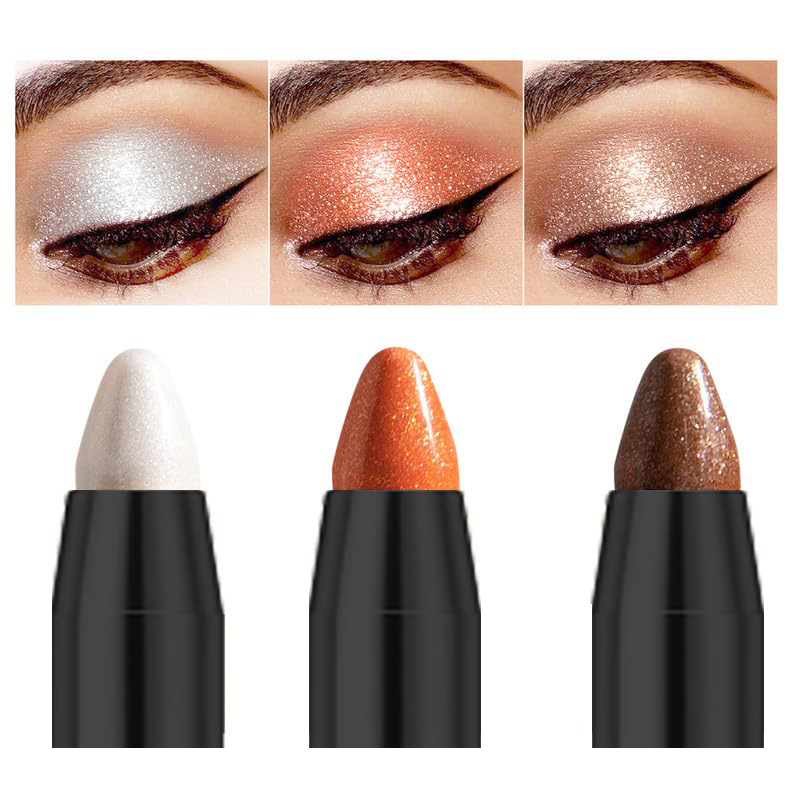
We all know the deep frustration of midday creasing and rapid color fading. "Raccoon eyes" can quickly ruin a perfectly crafted morning makeup routine. This breakdown happens frequently when you deal with heavy summer humidity, intense sweat, or naturally oily eyelids. Moving past this daily frustration requires looking directly at the actual technical solution. Genuine smudge-proof results rely entirely on specific cosmetic chemistry. They do not just stem from clever brand marketing claims. True longevity requires advanced formulas designed to repel moisture and lock pigments tightly to the skin.
This article decodes exactly how reliable waterproof formulas actually function on a chemical level. We will show you how to evaluate the right cosmetic format for your specific daily needs. Finally, you will discover the exact professional techniques to apply them. You can achieve maximum longevity without damaging the delicate eye area in the process.
Key Takeaways
Formulation over hype: True waterproof eyeshadow relies on volatile solvents and film-forming polymers that lock pigments in place once dried.
Oil is the enemy of waterproof: "Waterproof" does not automatically mean "sebum-proof"; proper eyelid preparation is still required for oily skin types.
Format dictates performance: Cream-to-powder sticks, such as a Waterproof Eyeshadow Stick Highlighter, offer the most balanced blend of easy application and long-term durability.
Removal requires lipids: Because these formulas repel water, safe removal requires oil-based or bi-phase cleansers to dissolve the polymer bonds without harsh tugging.
The Chemistry of Long-Wear: What Makes Eyeshadow Genuinely Waterproof?
Standard powder eyeshadows sit directly on top of the skin. They bind very loosely to the epidermis. This loose adhesion makes them highly susceptible to moisture and physical friction. When you blink, sweat, or face humid weather, traditional powders simply slide away. You need a structural change to prevent this fading.
This is where the polymer network enters the picture. Cosmetic scientists rely heavily on film-forming agents to achieve long-lasting results. Ingredients like specific silicones or advanced acrylates are crucial here. Once you apply them, they create a microscopic, flexible mesh over the entire eyelid. This mesh acts as a protective shield. It traps the color pigments tightly against your skin while bending naturally as you blink.
However, this mesh needs a delivery system to spread evenly. Volatile solvents serve this exact purpose. Solvents like isododecane keep the formula liquid or creamy in the packaging. You glide the product onto your eyelid easily. Once exposed to air, the solvent rapidly evaporates. This evaporation phase is critical. When the solvent disappears, the waterproof network hardens and locks the pigment permanently in place.
You must keep this chemical process in mind during application. Because the solvent evaporates quickly, users face a strict time limit. You generally have a limited "play time" of roughly 30 to 60 seconds. You must blend the edges perfectly before the product sets completely. Once it dries, adding more friction will only disrupt the flexible mesh. Understanding this timeline is the first step toward mastering any highly durable makeup routine.
Waterproof vs. Water-Resistant: Setting Realistic Performance Baselines
Beauty brands frequently use terminology interchangeably. This creates massive confusion for consumers. You must understand the strict industry distinction to manage your expectations effectively. Knowing the difference prevents midday makeup disasters.
Water-resistant formulas repel light moisture effortlessly. They can handle random tears, light sweat, or brief misting. These products often rely on simple wax-based barriers rather than complex polymers. Waxes coat the pigments to block out small amounts of water. However, they remain pliable. If you rub your eye or encounter heavy friction, a water-resistant formula will still smudge.
In contrast, true waterproof formulas withstand complete submersion. They survive heavy humidity, swimming, and intense workouts. They require the specific chemical polymer bonds we discussed earlier. You cannot wash them away with mere splashes of water.
Performance Baseline Comparison
Feature
Water-Resistant
Waterproof
Core Barrier Element
Natural or synthetic waxes
Film-forming polymers (Acrylates/Silicones)
Moisture Tolerance
Light sweat, minor tearing
Complete submersion, heavy humidity
Friction Resistance
Low to Moderate (smudges if rubbed)
High (locks into place once dry)
Removal Method
Standard face wash or micellar water
Oil-based or bi-phase makeup removers only
Despite these impressive technical specs, we must address the most common failure point. Eyelids naturally produce sebum, which is your body's natural oil. Oil is the ultimate enemy of cosmetic polymers. Since oil breaks down makeup chemically, it acts as a natural solvent. Even top-tier waterproof eyeshadow can eventually crease. If your eyelid is not properly prepped to control this oil, the polymer mesh will slowly dissolve from underneath. "Waterproof" simply does not mean "oil-proof."
Evaluating Product Formats: Powders, Liquids, and Sticks
Cosmetic laboratories approach the smudge-proof challenge differently across various product formats. Comparing these formats helps you choose the perfect tool for your skill level.
Traditional powders are notoriously difficult to make genuinely waterproof. Chemists must add heavy binding agents to coat the powder particles. Unfortunately, this often leads to a chalky texture. Heavy binders make the powder hard to blend and prone to patchiness. While you can find long-wearing powders, they rarely survive a swim or a heavy workout without a separate mixing medium.
Liquid shadows swing to the opposite extreme. They are highly durable and deliver intense pigment. However, liquids often require precise applicator skills. If you apply them too thickly, the heavy polymer layer will shrink as it dries. This shrinking causes the color to crack and flake off throughout the day. Liquids demand a very steady hand and rapid blending.
Sticks and pens represent the optimal middle ground. They combine the easy blendability of a cream with the aggressive setting power of a liquid. The stick format holds the volatile solvents perfectly. You simply swipe the color onto your lid and tap the edges. They offer the most user-friendly experience for both beginners and experts alike.
When looking to upgrade your routine, consider the utility of multi-functional tools. A Double Headed Waterproof Eyeshadow Pen drastically reduces friction in the buying journey. It often combines a versatile base color with a built-in blending tool. Alternatively, it might feature two complementary shades in one convenient step. This eliminates the need for carrying multiple bulky palettes and brushes.
Stick formats also excel at detailed highlighting and strategic accents. You can utilize a Waterproof Eyeshadow Stick Highlighter for precision inner-corner brightening. It works beautifully for brow-bone lifting as well. Stick formats adhere much better to these high-movement facial areas than traditional loose powders do. They deliver a concentrated burst of light that stays locked exactly where you place it.
Implementation Realities: Prepping and Applying for Zero Creasing
Owning the right product is only half the battle. Your application technique ultimately determines how long the makeup survives. To achieve truly zero creasing, you must treat your eyelid like a blank canvas. Proper implementation requires respecting the chemistry of the polymers.
Follow these specific implementation steps to guarantee all-day wear:
Degrease the Canvas: Wipe your entire eyelid area using a gentle micellar water. Ensure you remove all residual skincare, eye creams, or overnight oils. Let the skin dry completely. Bare, oil-free skin is strictly required for optimal polymer adhesion.
Prime for Oil Control: Apply a sheer layer of matte, gripping eye primer. You must create a physical barrier between your natural skin oils and the color product. Skip hydrating concealers here, as they introduce unnecessary moisture.
Work in Sections: Because these advanced formulas set rapidly, you must adapt your timing. Apply the color and blend the edges on one eye entirely before moving to the next. If you apply color to both eyes simultaneously, the second eye will likely dry before you can blend it properly.
Master the Layering Technique: Start with thin layers. If you are using a dual-ended stick, apply the lighter base color first. Allow it to semi-set for about ten seconds. Then, strategically layer the darker shade into the crease or outer corner to build dimension.
A Crucial Avoidance Risk
Many users unknowingly ruin their long-wear makeup through improper layering. We strongly warn against layering cream or stick waterproof shadows directly over heavy liquid concealers. Concealers are packed with hydrating emollients and oils to prevent under-eye creasing. If you place a polymer-based shadow over an oily concealer, the formula will never lock down. It will simply slide around in the crease within an hour. Always stick to dedicated, oil-absorbing eye primers instead.
Safe Removal: Breaking Down the Formula Without Damaging Skin
We must address a major piece of buyer friction. The better a makeup product stays on, the harder it inevitably is to take off. This paradox frustrates many beauty enthusiasts. The fear of potential eyelash loss or severe skin irritation actively prevents some users from adopting durable makeup.
You cannot approach removal with sheer force. Taking a scientific approach to removal preserves your delicate skin and lashes. Water alone will do absolutely nothing. Standard foaming cleansers will also fail completely, as they do not contain enough lipids to break the hardened mesh.
You must advocate for the "dissolve, don't drag" method. Because these formulas are built to repel water, they are inherently lipophilic. This means they dissolve easily in oil. You should use rich cleansing balms, bi-phase micellar waters, or pure cleansing oils. The lipids in these specialized removers slip between the polymer bonds and gently melt them apart.
Here is a professional application tip for safe removal. Saturate a soft cotton pad heavily with your chosen bi-phase remover. Press the wet pad firmly against your closed eye. Do not rub immediately. Hold it there patiently for 15 to 20 seconds. This resting period allows the oil to fully melt the polymer bonds. Once the time is up, gently swipe downward. The color should slide off the eyelid effortlessly without any harsh tugging.
Conclusion
Achieving a genuinely smudge-proof eye look is not magic. It results directly from understanding cosmetic chemistry and adjusting your daily techniques. By recognizing how film-forming polymers and volatile solvents work together, you stop fighting against your makeup. You must respect the strict rule that oil dissolves polymers. Prep your eyelids accordingly to banish creasing forever.
It is time to audit your current eye makeup routine. Take a close look at the products failing you by midday. Consider swapping out those outdated, chalky powder palettes for modern, highly resilient stick formulations. They save time and deliver unmatched endurance. Finally, protect your skin by investing in a dedicated, high-quality bi-phase makeup remover. Proper removal ensures your eyes stay healthy and ready for tomorrow's flawless application.
FAQ
Q: Can you wear waterproof eyeshadow while swimming?
A: Yes, true waterproof formulas will survive swimming easily. The key is to avoid physical friction. Provided you do not rub your eyes while they are wet, the color remains intact. Friction combined with water pressure will eventually break the protective polymer film.
Q: Is waterproof makeup safe for sensitive eyes and contact lens wearers?
A: Generally, yes. They are often safer because they lock into place and do not flake dry particles into the eye like traditional powders do. However, users should always look for ophthalmologist-tested labels. Ensure thorough, gentle removal every night to prevent blocked tear ducts.
Q: Why does my waterproof eyeshadow still crease by the end of the day?
A: This is almost always due to natural eyelid oil (sebum) breaking down the formula. It can also happen if you apply the product too thickly. Using an oil-absorbing matte eye primer and applying thin, even layers solves the vast majority of creasing issues.
Guangzhou Vast Cosmetic Co.,Ltd. was established in 2018, a high-tech enterprise focusing on customizing make-up for customers, integrating scientific research, production, sales and service.