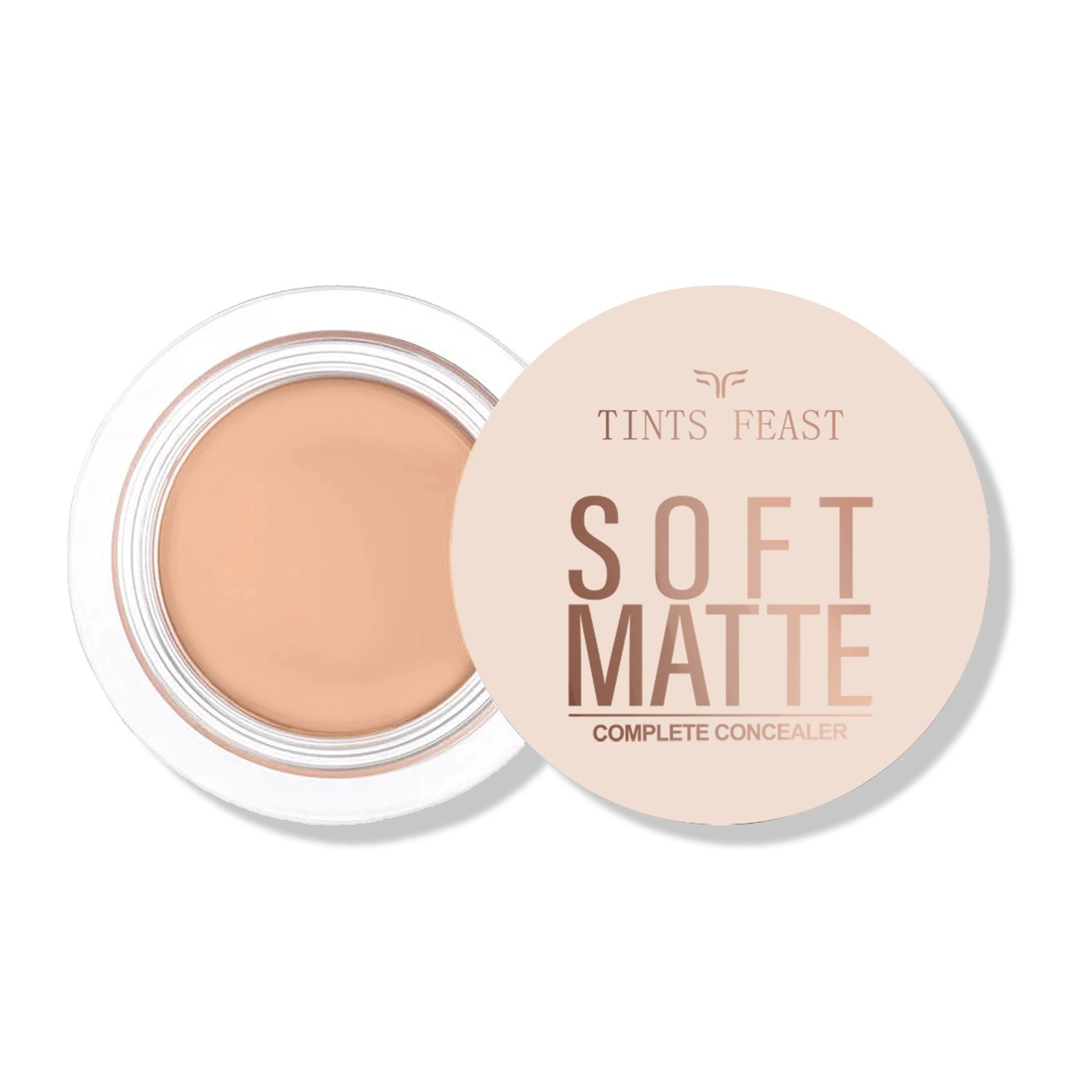
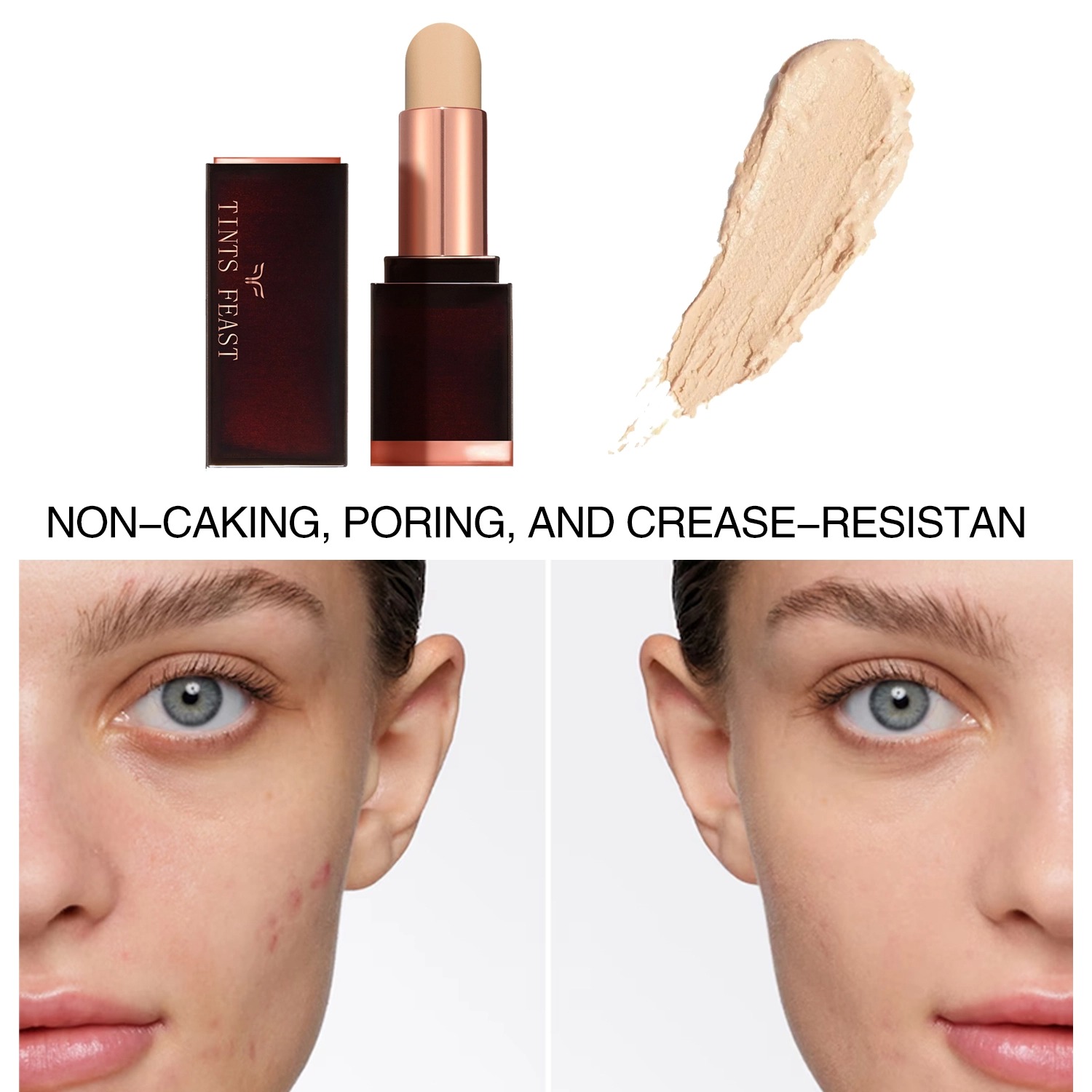
A makeup idea can look strong on a mood board but become difficult once formula, shade, packaging, MOQ, and production quality enter the discussion. Choosing a custom makeup manufacturer means finding a partner that understands how Foundation, Concealer, Lipstick, Lipgloss, and Eyeshadow behave in real use, not just how they appear in samples.
For a brand planning its first launch or expanding an existing line, the right decision comes down to product fit, testing process, cost transparency, compliance support, and whether the manufacturer can grow with the brand.
Know What You Need Before You Contact a Manufacturer
Choose your launch path: ready-made, semi-custom, or fully custom
Before contacting a custom makeup manufacturer, define how much control your brand actually needs. Ready-made private label formulas work well when speed, lower development effort, and market testing are the priorities. A startup may use this route to launch a small product line, gather customer feedback, and avoid spending too much time on early formula development.
Semi-custom manufacturing sits between speed and differentiation. A brand may begin with an existing base formula, then adjust shade, fragrance, finish, packaging, or selected performance details. This route can work especially well for Lipstick, Lipgloss, or Concealer when the brand wants a more distinctive product without building every formula from scratch.
Fully custom formulation makes sense when the product concept depends on unique performance. A Foundation line may need a specific shade system, skin finish, coverage level, or long-wear feel. An Eyeshadow palette may need a particular balance of matte, shimmer, and metallic textures. Custom work usually costs more and takes longer, but it can give the brand a product identity that is harder to copy.
Decide which products should come first
Launching every category at once often creates unnecessary risk. Each product adds sampling work, packaging decisions, shade planning, inventory pressure, and reorder complexity. A focused launch makes it easier to test demand and maintain quality.
Product priority should be based on customer need, budget, and technical difficulty. Foundation and Concealer need careful shade planning because poor shade logic can create slow-moving inventory. Lipstick and Lipgloss depend heavily on comfort, pigment payoff, applicator choice, and packaging feel. Eyeshadow requires attention to pressing quality, fallout, color payoff, and palette assembly.
A practical first launch may include one hero category and one supporting product. For example, a complexion-focused brand may start with Concealer before expanding into Foundation and Setting Products. A color cosmetics brand may begin with Lipgloss or Eyeshadow, then add Lipstick once packaging and shade demand are clearer.
Check Whether the Manufacturer Can Actually Make Your Product Well
Match expertise to product format
A custom makeup manufacturer should have proven experience with the exact format you plan to sell. Face, lip, and eye products involve different raw materials, equipment, texture expectations, packaging systems, and quality risks. A supplier that makes a good Lipgloss may not automatically be the right choice for Foundation or pressed Eyeshadow.
For Foundation and Concealer, evaluate coverage, blendability, oxidation, wear time, skin feel, and shade consistency. These products sit directly on visible areas of the face, so small issues become easy for customers to notice. A formula that looks smooth during swatching may crease, separate, oxidize, or feel heavy after several hours.
Lipstick and Lipgloss need a different review process. Comfort, payoff, viscosity, scent, transfer, applicator fit, and fill consistency matter as much as the first visual impression. A Lipgloss that looks attractive in the tube may feel sticky, stringy, or uneven on the lips. A Lipstick may have strong color but poor glide, weak bullet stability, or packaging that feels too light for the brand’s price point.
Eyeshadow adds another layer of manufacturing skill. Pressing pressure, binder balance, shimmer adhesion, matte blendability, pan fit, and palette assembly all affect customer experience. Powder products can look beautiful in product photos but disappoint if they create fallout, hard pan, weak payoff, or inconsistent color across batches.
Look for enough category range without making the article sound like a catalog
Category range matters because many brands expand after the first launch. A supplier with face, lip, and eye capabilities can support products such as Foundation, Concealer, Lipstick, Lipgloss, and Eyeshadow, which is useful for brands planning gradual product-line growth. For example, TINTS FEAST can be positioned naturally as a manufacturer option for brands that want broader makeup category coverage rather than support for only one format.
Broad coverage should still be judged carefully. A custom makeup manufacturer may offer many categories, but the brand should ask which formats are produced regularly, which ones are outsourced, and which ones have the strongest development support. Product range can help create a shortlist, but sample quality, documentation, and communication should decide whether the manufacturer is actually suitable.
The goal is not to find the longest product catalog. Better judgment comes from asking whether the manufacturer can support your first product properly and still help when you add related SKUs. A brand planning Concealer now may later need Foundation, Highlighter, Setting Products, or Eyeshadow, so the supplier should be able to maintain consistency across connected categories.
Use Samples to Judge Quality Before You Discuss Bulk Orders
Test the product the way customers will use it
Samples are the most practical way to judge a custom makeup manufacturer. Product claims, catalog photos, and factory introductions can be useful, but they cannot replace real-use testing. A sample should be worn, applied, layered, carried, opened, closed, photographed, and compared under conditions close to the customer’s daily routine.
Complexion products need more than a quick hand swatch. Foundation and Concealer should be tested for creasing, blending, coverage, oxidation, flashback, transfer, and skin feel after several hours. Different skin types may respond differently, so a small internal panel can help reveal problems before bulk production. Lighting also matters because a shade that looks balanced indoors may appear too warm, gray, or flat in daylight.
Lip products should be tested for comfort and control. Lipstick needs smooth application, even payoff, bullet stability, and acceptable transfer for its intended finish. Lipgloss should be checked for stickiness, scent, stringiness, shine level, pigment dispersion, and applicator compatibility. Packaging should also be reviewed because leaking, loose wipers, weak caps, or uneven filling can damage customer trust quickly.
Eyeshadow samples should be tested on bare skin, over primer, and with different brushes. Matte shades need blendability and buildable payoff, while shimmer or metallic shades need adhesion and visual impact without excessive fallout. A palette should also be opened, closed, shaken gently, and inspected for pan movement or powder breakage.
Product type
What to test before approval
Foundation
Shade match, oxidation, coverage, wear time, texture, transfer
Pressing quality, fallout, blendability, shimmer adhesion, palette fit
Ask how sample revisions are handled
A strong sampling process should be structured, not casual. Ask how many sample rounds are included, what types of changes are possible, and whether the final bulk product will match the approved sample. The answer reveals how the custom makeup manufacturer manages development discipline, color records, formula changes, and approval responsibility.
Revision rules are especially important for shade-based products. A Foundation shade that is slightly too orange, a Concealer that is too dry, or a Lipstick that feels too waxy may need adjustment before launch. The manufacturer should explain whether shade, finish, fragrance, texture, packaging, and applicator details can be revised within the original cost or billed separately.
TINTS FEAST Concealer and Highlighter Stick can be used as a practical example of the details brands should verify during sampling. Customized colors, sample timing, lead time, MOQ, and formula feel are all decision points that should be confirmed before planning a launch calendar. These details help a buyer move from general interest to a realistic sampling and production discussion.
Approval terms should be written down before bulk production begins. A brand needs to know what happens if the production batch does not match the approved sample. Color tolerance, texture tolerance, filling standards, packaging inspection, and rejected-batch procedures should be clear enough that both sides can refer back to them if a problem appears.
Suggested visual module: Sample Testing Checklist
Use a short checklist after receiving samples from a custom makeup manufacturer:
●Wear each product for a full day, not only during a quick swatch session.
●Test complexion shades in daylight, indoor lighting, and photography conditions.
●Check lip and eye products for comfort, fallout, transfer, and packaging control.
●Compare revised samples against the original brief and previous sample round.
●Keep written notes, photos, batch details, and approval comments for reference.
Review MOQ, Lead Time, Packaging, and True Production Cost
Do not compare suppliers by unit price alone
The lowest unit price is rarely the full cost of working with a custom makeup manufacturer. A quote may exclude formula adjustment, extra sample rounds, packaging development, filling, component testing, freight, artwork, molds, labeling support, or rejected materials. These costs can change the real margin of a product before it ever reaches the customer.
Different product types create different cost structures. Foundation ranges often require multiple shades, which increases the number of SKUs and ties up cash in inventory. Concealer may need fewer shades than Foundation, but it still requires careful color logic and texture control. Eyeshadow palettes add pan, formula, pressing, palette, insert, mirror, brush, and assembly decisions.
Lipstick and Lipgloss can look simple from the outside, yet packaging can become a major cost driver. A custom cap, special tube, decorated component, or unique applicator may have its own MOQ separate from the formula MOQ. Even small packaging upgrades can affect lead time, defect rate, shipping weight, and retail positioning.
A serious quote should show what is included and what is not. Payment terms also matter because many manufacturers require a deposit after sample approval and production confirmation. Some suppliers use staged payment terms, such as a deposit after product confirmation and balance payment before shipment, so these details should be clarified before an order is approved.
Confirm MOQ by product, shade, and packaging
MOQ should be discussed by product, shade, and packaging, not only as one total number. A custom makeup manufacturer may have one minimum for the formula, another for packaging components, and another practical minimum for each shade. This matters for Foundation, Concealer, Lipstick, Lipgloss, and Eyeshadow because each shade or colorway may create separate production and inventory pressure.
Raw materials and packaging materials often affect MOQ. Pigments, bases, tubes, caps, pans, palettes, labels, cartons, and decoration methods may come from different supply chains. If the packaging supplier requires a high minimum, the final order size may be higher than expected even when the formula itself seems manageable.
MOQ may vary widely depending on product design and production requirements. For example, a Concealer and Highlighter Stick may involve a different order quantity than a Foundation range, Lipstick series, Lipgloss collection, or Eyeshadow palette. This is why brands should not rely on one general MOQ number for every custom project.
Ask direct questions before building your sales forecast. What is the MOQ per shade? Does decorated packaging have a separate MOQ? Can slow-moving shades be reordered in smaller quantities? What happens if one Lipgloss shade sells faster than the rest? A clear answer helps the brand avoid stockouts, dead inventory, and unrealistic launch budgets.
Clarify the production timeline after sample approval
Lead time should be counted from the right starting point. Many new buyers assume the clock starts when the first inquiry is sent, but a reliable production timeline usually begins after formula confirmation, sample approval, packaging approval, artwork confirmation, and deposit. Any unfinished detail can delay the order.
A custom makeup manufacturer should explain each stage of the timeline. Sampling, shade matching, packaging sourcing, label design, component inspection, filling, assembly, quality checks, and shipping all take time. For custom colors or special packaging, delays may come from pigment adjustment, component availability, printing schedules, or supplier-side MOQ.
Sample time and bulk lead time can be useful benchmarks, but they should not be treated as universal promises. A simple Concealer format may move faster than a complex Foundation shade range or a custom Eyeshadow palette. Brands should confirm timing based on the final formula, shade count, packaging choice, and inspection requirements.
A quote comparison table can keep discussions organized:
Quote item
What to confirm
MOQ
Per product, per shade, and per packaging component
Sample time
First sample timing and revision timing
Bulk lead time
Start point, production duration, inspection, shipping
Verify Quality Systems, Compliance Support, and Communication
Ask for quality-control proof, not just quality promises
A custom makeup manufacturer should be able to explain how quality is controlled before, during, and after production. General promises about “high quality” are not enough. Ask how raw materials are checked, how batches are recorded, how filling accuracy is monitored, how packaging defects are handled, and whether retained samples are kept for future comparison.
ISO 22716 is a useful benchmark when reviewing cosmetic manufacturing quality systems. It provides Good Manufacturing Practice guidelines for the production, control, storage, and shipment of cosmetic products. For makeup brands, this kind of quality framework helps support consistent production and clearer manufacturing discipline.
Certification claims should be verified with current documents. If a supplier claims GMPC, ISO22716, or other quality-related certifications, the brand should request updated certificates, audit details, and production-scope confirmation before relying on them. Certification labels are helpful, but they should never replace due diligence.
Quality control also depends on communication. A good supplier will explain what can go wrong and how it prevents those issues. If a manufacturer avoids questions about batch variation, packaging rejection, or color tolerance, that silence may become expensive once production starts.
Make compliance responsibilities clear before launch
Compliance should be discussed early because responsibility is often shared. A custom makeup manufacturer may support ingredient documents, product information, certificates, formula records, or packaging files, but the brand still needs to understand requirements in its target market. Labeling, safety substantiation, product listing, claims review, and import documentation should not be left until the shipment is ready.
For brands selling in the United States, MoCRA changed the compliance conversation. Cosmetic brands may need to consider facility registration, product listing, adverse event reporting, safety substantiation, labeling requirements, and Good Manufacturing Practice expectations. These requirements make supplier documentation and internal recordkeeping more important for brands planning to enter or expand in the U.S. market.
Practical communication is just as important as technical paperwork. The manufacturer should provide clear timelines, written confirmations, sample records, production updates, and fast answers when problems appear. A brand does not need a supplier that says yes to everything; it needs a partner that explains limits, offers options, and protects the launch from preventable mistakes.
A final supplier review should include more than product appeal. Check whether the custom makeup manufacturer can support documentation, repeat orders, shade consistency, packaging control, and issue resolution after the first shipment. Strong communication turns manufacturing from a one-time transaction into a workable long-term relationship.
Conclusion
Choosing a custom makeup manufacturer becomes easier when the decision is based on product fit, sample quality, MOQ, lead time, packaging support, and compliance responsibilities—not price alone. Whether your brand is developing Foundation, Concealer, Lipstick, Lipgloss, or Eyeshadow, each category needs careful testing and a supplier that understands how formulas perform beyond the first sample.
Guangzhou Vast Cosmetic Co.,Ltd. can support brands with custom makeup development and production, helping turn product ideas into practical launch plans with clearer sampling, packaging, and manufacturing steps.
FAQ
Q: How do I choose a custom makeup manufacturer for my brand?
A: Compare product experience, sample quality, MOQ, lead time, packaging support, compliance documents, and communication. A suitable manufacturer should match your launch goals and category needs.
Q: Should I start with Foundation, Concealer, Lipstick, Lipgloss, or Eyeshadow?
A: Start with products that fit your budget, audience, and testing capacity. Foundation and Concealer need shade planning, while Lipstick, Lipgloss, and Eyeshadow often allow easier color-led launches.
Q: What is the difference between private label and custom makeup manufacturing?
A: Private label uses existing formulas for faster launch. Custom manufacturing allows changes to formula, shade, finish, texture, and packaging, but usually requires more time and development work.
Q: Why are samples important before placing a bulk makeup order?
A: Samples help test real product performance, including wear time, texture, shade accuracy, packaging fit, and batch expectations before committing to larger production quantities.
Q: What should I ask a makeup manufacturer about MOQ?
A: Ask whether MOQ applies per product, per shade, or per packaging component. This is especially important for shade-based products such as Foundation, Concealer, Lipstick, and Eyeshadow.
Q: How can I check whether a makeup manufacturer is reliable?
A: Review quality-control processes, certification documents, sample consistency, production timelines, communication speed, and whether the manufacturer clearly explains risks, revisions, and compliance responsibilities.
Guangzhou Vast Cosmetic Co.,Ltd. was established in 2018, a high-tech enterprise focusing on customizing make-up for customers, integrating scientific research, production, sales and service.