Many new beauty brands can describe the Foundation they want, but the brief often becomes unclear once shade range, coverage, finish, and packaging have to work together. A radiant formula may need different packaging than a soft-matte base, while a wide shade range can create sampling, MOQ, and inventory pressure if the undertone logic is weak.
A stronger launch starts with practical decisions: who the Foundation is for, how much coverage it should deliver, how Primer, Concealer, and Setting Products support the routine, and what packaging fits the formula. These choices help brands avoid vague samples, confusing shade gaps, and products that look good in development but feel difficult to sell or reorder.
Position the Foundation Before Any Formulation Starts
Define the customer use case, not just a “beauty trend”
A private label Foundation should begin with the person who will wear it, not with a finish word that sounds attractive in a product title. A daily natural-wear base has to feel easy, flexible, and forgiving under normal lighting, while a performance-led formula needs stronger wear claims and more resistance to oil, humidity, or transfer. Glow-focused products may lean closer to skincare-makeup hybrids, especially when the brand wants a fresher skin effect rather than a heavily perfected look.
The same idea applies to price position and sales channel. A product made for online sampling has to explain shade, finish, and coverage more clearly than one tested in person at a counter or salon. Distributor-led brands may also need a narrower and more practical SKU structure because reorder stability matters more than looking oversized at launch. When the customer use case is clear, the formula direction becomes easier to judge.
A brand should also decide whether the product is meant to stand alone or sit inside a complete face routine. If the positioning depends on smoothed pores, controlled shine, targeted correction, or locked-in wear, then Primer, Concealer, and Setting Products need to be considered early. Those products can support the final result, but they should not rescue an unclear Foundation concept.
Coverage is a technical input, not a marketing label
Coverage is often treated as a sales description, yet in development it functions like a technical instruction. Sheer, light-medium, medium, and full coverage each affect pigment load, texture, spread, dry-down, and the way shades appear on different skin tones. A formula described only as “buildable” may sound flexible, but the lab still needs to know whether the first layer should look transparent, corrective, polished, or perfected.
The coverage decision also changes how the rest of the face system behaves. A sheer or light-medium Foundation usually needs a more intentional Concealer pairing because customers may expect targeted correction around blemishes, redness, or under-eye darkness. A medium-to-full formula may reduce the need for additional correction, but it has to avoid heaviness, caking, or an obvious texture line around the jaw and hairline.
Sampling becomes more reliable when coverage is judged against a real benchmark. Instead of asking whether a sample “looks good,” the review should ask whether it delivers the intended opacity in one layer, whether it can be layered without patchiness, and whether it maintains the chosen finish after application. Tints Feast’s cream foundation solutions allow customizable coverage levels from light to full, which shows why coverage should be defined before the brand reviews texture or packaging.
Build a Shade Range That Is Commercially Stable (Not Just Inclusive on Paper)
Start from undertone structure, not shade quantity
A strong shade range is not built by adding more numbers until the lineup looks impressive. Depth and undertone have to work together, otherwise the range may look wide on paper but still fail real customers. Fair, light, medium, tan, deep, and rich shades should not simply be spaced from pale to dark; each depth area needs a clear logic for warm, neutral, cool, or sometimes olive undertones.
The most common early mistake is creating too many similar middle shades while leaving obvious gaps at the lighter, deeper, or undertone-specific ends of the range. That approach makes the launch look commercially safe because mid-tones often feel familiar, but it can create weak shade matching and poor customer trust. A smaller range with visible spacing is usually easier to explain, photograph, sample, and reorder than a larger range filled with near-duplicates.
Undertone planning also affects finish perception. Radiant textures may soften the appearance of a close shade mismatch because they reflect more light, while matte or full-coverage formulas can make an undertone error look sharper. For that reason, shade testing should happen with the intended finish and coverage, not on a blank formula base that will later change.
Keep launch scope aligned with production reality
Every new shade is a separate operational decision. More shades mean more lab dips, more approvals, more packaging allocation, more labeling control, and more inventory exposure. Tints Feast works with MOQ, sample development, and global shipping considerations, so shade expansion directly changes production planning rather than only the visual appearance of the range.
A startup brand may want a highly inclusive launch from day one, but production reality often forces a more disciplined approach. If the first order spreads budget across too many weakly differentiated shades, the brand may end up with slow-moving stock instead of a stronger core range. Inventory pressure then limits future marketing, new product testing, and reorder flexibility.
The better question is not “How many shades should we launch?” but “Which shades can we support well?” A launch range should cover the brand’s most likely customers, show a clear undertone system, and leave room for expansion. Commercial stability is not the opposite of inclusivity; it is the structure that makes long-term expansion possible.
Phase expansion is part of the strategy, not a limitation
A phased shade plan can make a private label Foundation line stronger because it separates launch validation from long-term range building. Phase one should prove the formula, finish, core shade logic, and packaging experience. Real customer feedback can then show which undertone gaps, depth gaps, or region-specific needs deserve priority in phase two.
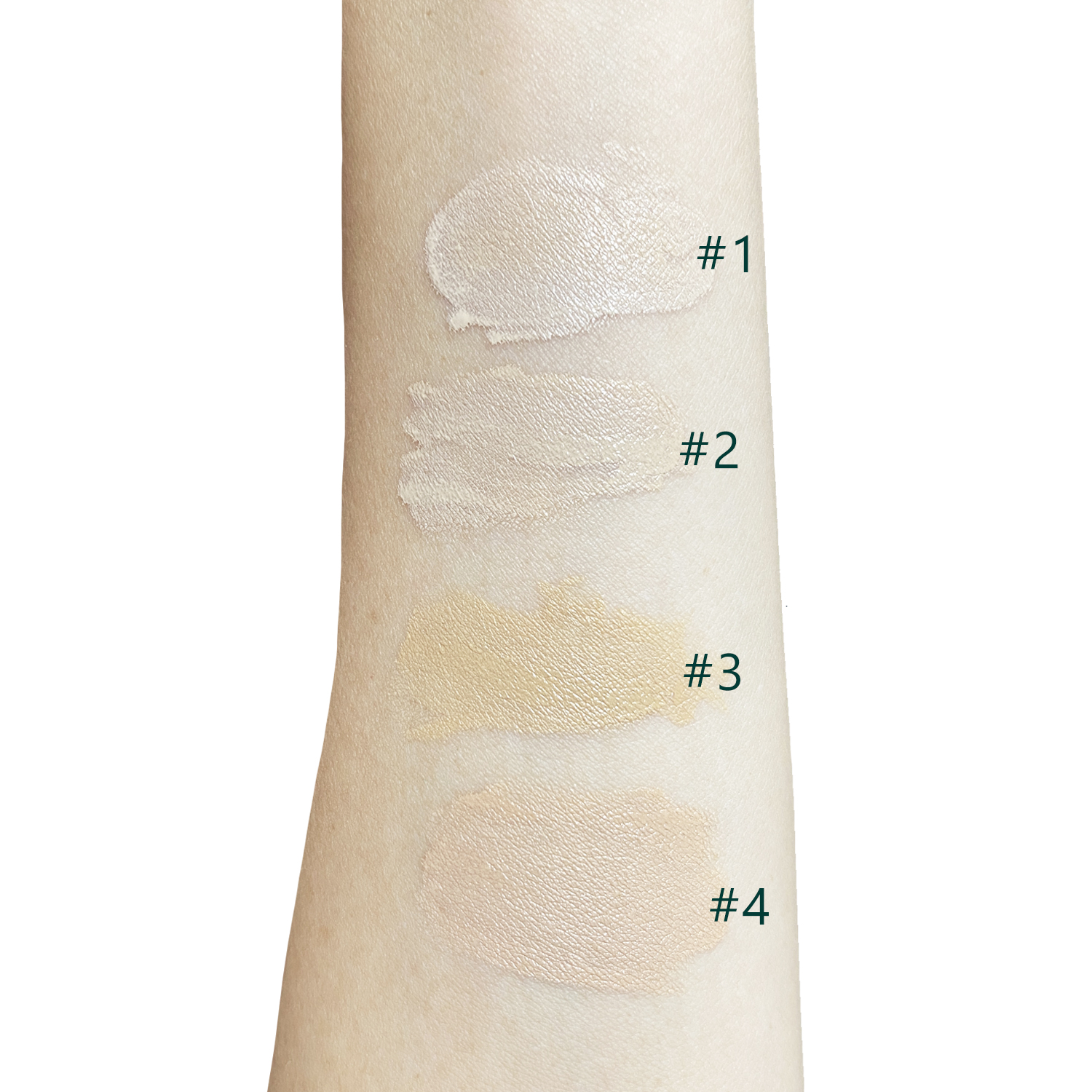
The first launch should be easy to understand at a glance. Shade names or numbers need to help customers identify depth and undertone, especially when the product is sold online. Marketing images should also avoid misleading lighting because a shade range that looks balanced in studio edits may still confuse buyers when swatches are not consistent.
A practical phase plan may look like this:
Launch stage
Main goal
Shade decision
Risk to avoid
Phase 1
Prove product-market fit
Core depth and undertone structure
Too many overlapping shades
Phase 2
Fill real gaps
Add missing undertones or depths
Expanding without sales evidence
Reorder stage
Stabilize best sellers
Adjust production by demand
Treating all shades equally
Align Coverage, Finish, and Skin Behavior Into One Formula Direction
Choose one dominant finish identity
Finish should not be chosen after the formula already feels finished. A radiant Foundation, satin Foundation, soft-matte Foundation, and matte Foundation create different expectations before the customer even opens the package. The finish tells the buyer whether the product is fresh, polished, oil-controlling, performance-driven, or skin-like.
Radiant and glow finishes usually appeal to brands that want a hydrated, healthy, skincare-adjacent look. Satin is often the most flexible direction because it can feel polished without becoming flat, making it suitable for everyday beauty positioning. Soft-matte works well when customers want shine control but still expect skin to look natural. A true matte finish needs more care because it can support oil control and photography claims, but it can also emphasize dryness, texture, or shade mismatch if the formula is too rigid.
Finish also changes how coverage is perceived. A medium radiant product can look lighter because light reflection softens opacity, while the same pigment level in a matte base may look more corrective. Because of that, finish and coverage should be approved together, not in separate review rounds.
Connect formula behavior to real wear conditions
Wear claims need to match the conditions the customer actually faces. Long-wear, waterproof, sweat-resistant, humidity-resistant, non-streaking, and color-true claims all require formula behavior that can survive oil, movement, moisture, and time. Without that support, strong claims may create disappointment even if the product looks beautiful immediately after application.
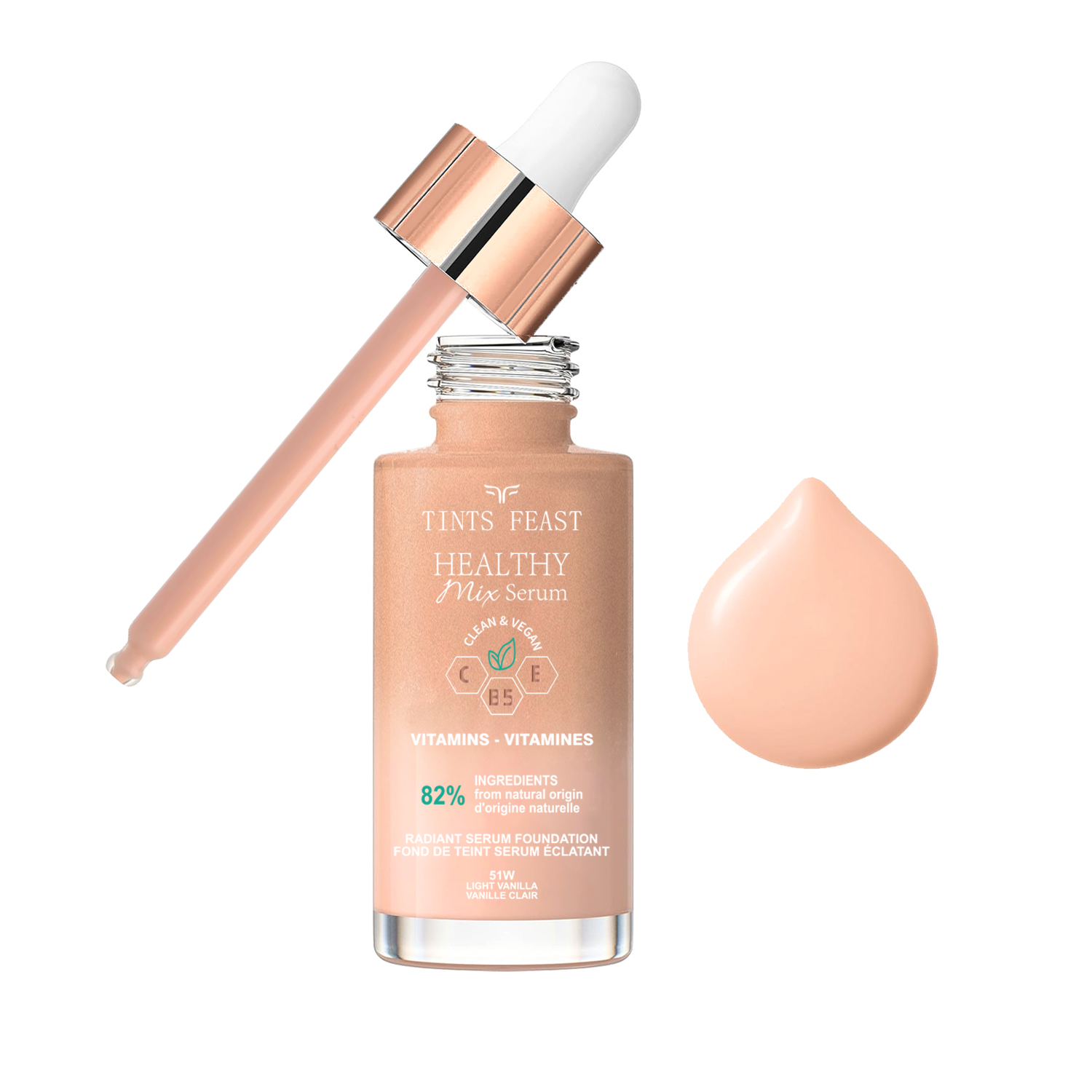
Tints Feast’s Ultra Radiance Serum Creme Makeup Foundation is positioned around radiant glow, skin affinity, long-wear, moisture, waterproof performance, sweat and humidity resistance, and easy application. Its formula direction includes skincare-associated ingredients such as glycerin, tocopheryl acetate, jojoba seed oil, shea butter, apple fruit extract, and sodium hyaluronate, supporting a skincare-like direction within a makeup base.
That example shows why texture cannot be separated from performance. A serum-creme concept may sound soft and luminous, but it still has to hold pigment evenly, resist streaking, and remain comfortable through the day. A long-wear matte concept may sound stronger, yet comfort and flexibility are just as important if the brand wants repeat purchases rather than only first-time trials.
Define what Primer and Setting Products are responsible for
A Foundation brief becomes more realistic when the brand decides which performance issues belong to the base and which should be supported by other products. Primer can help with grip, pore appearance, hydration balance, or oil control before the color product is applied. Setting Products can adjust the final look, reduce shine, improve wear time, or help the makeup resist movement.
This division prevents the formula from becoming overloaded. A single product that promises glow, full coverage, oil control, hydration, waterproof wear, transfer resistance, pore blur, and featherlight comfort may become difficult to formulate and harder to explain. Clear product roles give the customer a simpler routine and give the lab a more focused target.
Tints Feast’s face category structure includes Foundation, Primer, Concealer, and Setting items, including compact, fixer, and loose powder subcategories. That layout supports a system-based approach in which the base product delivers the main tone and finish while related items refine preparation, correction, and final wear.
Packaging Must Follow Formula Behavior, Not Branding Preference
Match packaging type to viscosity and dispensing needs
Packaging should be selected after the formula direction is clear, not simply because a bottle looks premium. Liquid and serum textures often work well with pump bottles or airless systems because controlled dispensing helps users apply a consistent amount. Thicker creams may need tubes, jars, or controlled pumps depending on viscosity, while sticks and compact formats suit more targeted or portable application.
Tints Feast’s portfolio includes liquid, cream, stick, mousse, tinted moisturizer, and color-correcting base formats, which shows why packaging must be matched to product behavior rather than chosen as a generic cosmetic container. Liquid systems are built around weightless feel and blending, while cream solutions emphasize richer texture and buildable coverage.
A brand also has to consider how the pack supports the product story. A radiant serum-creme formula may feel more credible in a sleek pump or airless package because that format signals skincare-makeup crossover. A soft-matte daily base might benefit from a practical pump or tube that feels easy to use and reorder. Luxury perception matters, but usability decides whether customers keep using the product.
Test real dispensing behavior before final approval
A packaging sample should be tested with the actual formula, not with water, a generic base, or an early lab texture that may still change. Pumps can dispense too much, tubes can create messy openings, and thicker products can clog if the orifice is not suitable. A formula that looks stable in a jar may separate or dry around a pump opening after repeated use.
Shipping and storage also matter. Heat, vibration, and pressure changes can expose leaks or separation that may not appear in a short desk test. Online brands should be especially careful because damaged packaging creates customer service costs before the buyer even judges the product performance.
The review process should cover both technical and consumer-facing issues. Can the user control dosage easily? Does the closure stay clean? Will the label remain readable after handling? These questions are less exciting than branding design, but they protect the launch from preventable complaints.
Make shade identification clear at shelf and online level
Shade information is part of the packaging experience. A bottle can look beautiful but still fail if customers cannot quickly identify depth, undertone, finish, and coverage. Online buyers need this clarity even more because they cannot test the product on skin before purchase.
A practical Foundation package should make the shade name or number easy to find. Undertone cues can be built into naming, swatch imagery, product filters, or back-label descriptions. Coverage and finish should also be visible enough to reduce wrong expectations, especially when the same brand later launches other formulas.
Poor shade navigation creates avoidable returns and weak reviews. Customers rarely complain only because a product is imperfect; they complain because the product did not match what they thought they were buying. Clear packaging reduces that gap between expectation and reality.
Build Foundation as a System, Not an Isolated Product
Concealer should correct, not compensate for weak Foundation logic
Concealer has a clear role in a face routine: targeted correction. It can help with blemishes, under-eye discoloration, redness, and brightening, but it should not be required to make the base product usable. When a Foundation is too sheer for its promise or too uneven for its intended finish, Concealer becomes a workaround rather than a planned support product.
A good product system defines how much correction the base should provide before extra coverage is added. Light-medium formulas may intentionally leave space for a matching Concealer because the customer wants a more natural skin finish. Fuller formulas should reduce the need for separate correction, while still pairing smoothly with targeted products where needed.
Shade alignment matters here as well. Concealer shades often need brightening or correcting options that differ slightly from base shades, but they should still feel connected to the overall complexion system. Without that connection, the routine becomes harder to shop and harder to explain.
Primer + Foundation + Setting Products must behave as one routine
A well-designed face system gives every step a job. Primer prepares the surface, the base creates the main tone and finish, Concealer corrects targeted areas, and Setting Products adjust or lock the final result. When these roles are clear, customers can build a routine without over-layering or guessing which product should fix which problem.
Compatibility testing should happen before the line is marketed as a complete routine. Some primers may make a base pill, separate, or feel slippery if the textures are not compatible. Certain powders or fixers may also change the finish more than expected, especially with radiant or serum-creme products.
The best routines feel simple even when the development behind them is technical. A customer should understand why each step exists and what result it creates. That clarity improves product satisfaction and helps the brand cross-sell without making the article or product page feel like a catalog.
A complete face system improves product clarity
A private label Foundation launch becomes easier to scale when the surrounding products strengthen the same story. If the base is radiant and hydrating, the Primer and Setting Products should protect that fresh finish rather than flatten it completely. When the base is soft-matte and long-wear, supporting products should reinforce smoothness, oil control, and durability.
This system mindset also supports future product development. After the main formula proves itself, the brand can expand into additional shades, alternate finishes, matching Concealer, or setting formats based on real demand. Tints Feast supports complete brand development through packaging design consultation, regulatory compliance assistance, and market trend insights, which reflects how complexion launches often involve more than formula selection alone.
Conclusion
A well-planned private label Foundation launch depends on clear choices, not simply more shades or stronger claims. When brands define coverage, undertone structure, finish, and packaging early, they can reduce sampling confusion and build a product that is easier to explain, sell, and reorder. Primer, Concealer, and Setting Products also play a practical role by supporting wear, correction, and final finish without overloading the base formula. Guangzhou Vast Cosmetic Co.,Ltd. helps brands connect these face makeup decisions with formulation and packaging needs, creating a more organized path from concept to market.
FAQ
Q: How many shades should a private label Foundation launch include?
A: A first launch should focus on clear undertone coverage and realistic inventory control. A smaller, well-spaced shade range is often easier to test, explain, and reorder.
Q: What coverage level is best for a new Foundation product?
A: Medium or buildable coverage is often practical for broad appeal, but the choice should depend on the target customer, skin concerns, finish, and expected daily use.
Q: How should a brand choose between radiant, satin, and matte finishes?
A: Choose the finish based on customer needs. Radiant suits fresh, hydrated looks; satin feels balanced for daily wear; matte works better for oil control and longer wear.
Q: Why are Primer, Concealer, and Setting Products important in a Foundation line?
A: Primer prepares the skin, Concealer handles targeted correction, and Setting Products help control shine or wear time. Together, they make the base routine more complete.
Q: What packaging works best for private label Foundation?
A: Packaging should match formula texture and usage. Liquid or serum formulas often suit pumps or airless bottles, while thicker creams may need tubes, jars, or controlled dispensers.
Guangzhou Vast Cosmetic Co.,Ltd. was established in 2018, a high-tech enterprise focusing on customizing make-up for customers, integrating scientific research, production, sales and service.