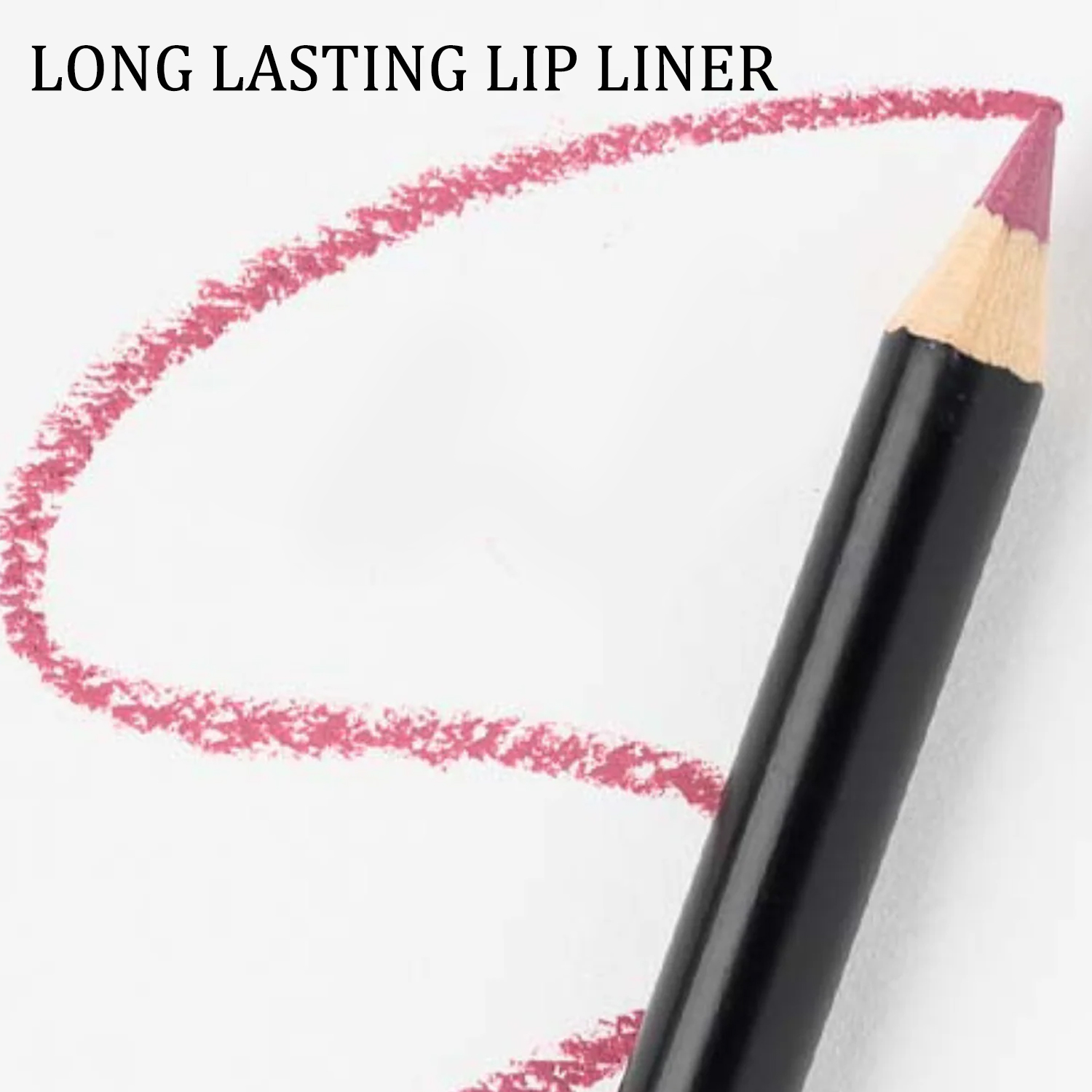
Choosing the first lip product for a beauty brand can feel simple until formula, shade range, packaging, and customer habits start pulling in different directions. Lipstick gives stronger color identity, Lipgloss offers shine and easy everyday appeal, while Lip Crayon sits between definition and convenience. Lip Liner adds value too, but usually works best when it supports a clear routine rather than standing alone. The real question is not which product is popular, but which one fits your audience, launch budget, and long-term product line.
Match the Product Format to the Brand You Want to Build
When Lipstick Makes the Brand Feel More Established
Lipstick is often the strongest choice when a brand wants to be known for color. A well-developed shade can become part of the brand’s identity because the result is visible, memorable, and easy to compare in swatches. For brands built around confidence, professional makeup, classic beauty, or statement looks, Lipstick can make the line feel more established from the beginning. It also gives content creators and retailers a clearer before-and-after story to show.
The challenge is that strong pigment exposes weak shade planning. A nude that looks balanced on one undertone may appear too gray, orange, pale, or deep on another. If the first collection contains several shades that look too similar online, the customer may not understand why each one exists. Lipstick is powerful, but it asks for better color testing, clearer shade naming, and more disciplined range planning.
When Lipgloss Creates a Faster, Lower-Friction Entry Point
Lipgloss can be easier for emerging brands because the customer does not need to commit to a dramatic color change. Sheer, tinted, clear, shimmer, and plumping glosses are more forgiving across different lip tones, especially when the brand is still learning what its audience prefers. A glossy finish also photographs well because it reflects light, gives the lips visible dimension, and looks attractive in short videos or product close-ups. This makes Lipgloss especially useful for brands that rely on social content, influencer sampling, or fast visual recognition.
The risk is that gloss can look exciting in packaging but feel ordinary during wear. If the texture is sticky, too thin, too heavily scented, or disappears quickly without a pleasant reapplication experience, customers may not return. For this reason, a Lipgloss launch should not depend only on shine. The brand needs a specific feel, a clear finish, and a reason customers would keep it in their bag.
When Lip Crayon Fits an Everyday, Easy-Use Brand
Lip Crayon works best when the brand wants to offer color in a more relaxed way. It gives more control than gloss, but it usually feels less formal than a classic lipstick. The format is easy to understand because customers can imagine outlining, filling, and touching up the lips with one portable product. For brands targeting quick routines, casual beauty, travel-friendly makeup, or beginner-friendly products, Lip Crayon can be a practical first choice.
A brand should avoid presenting Lip Crayon as if it can fully replace every other lip product. It may offer definition, but it is not always as precise as a dedicated Lip Liner. It may offer color, but it may not create the same premium color statement as a carefully developed Lipstick. Its real value is ease, portability, and a low-effort way to wear color every day.
Compare What Customers Actually Notice: Finish, Feel, Color, and Wear
Color Payoff and Finish Decide the First Impression
Customers notice the finish before they understand the formula story. Lipstick creates stronger color payoff and can make the lips look more polished, structured, or transformed. Lipgloss creates shine, dimension, and a softer color effect, so it often feels more casual and approachable. Lip Crayon usually sits between the two, offering controlled color with a softer and more practical everyday feel.
Product Type
Typical Finish
Color Payoff
Wear Feel
Best Brand Fit
Main Launch Risk
Lipstick
Matte, satin, luminous, creamy
Medium to high
More structured
Color-led or professional makeup brands
Shade mistakes are more visible
Lipgloss
Glossy, shiny, sheer, plumping
Sheer to medium
Comfortable, smooth, wet-look
Trend-led, youthful, comfort-led brands
Texture may feel sticky or forgettable
Lip Crayon
Soft matte, creamy, satin
Soft to medium
Controlled and portable
Everyday, minimalist, beginner-friendly brands
Positioning may feel unclear
Lip Liner
Matte or soft matte
Medium to high
Precise and defined
Support product or lip kit brands
Too many shades can complicate launch
Comfort and Reapplication Shape Repeat Purchase
A customer may buy a lip product because the shade looks beautiful, but repeat purchase often depends on how the product feels after several hours. Gloss should feel smooth enough for frequent use without becoming overly sticky or stringy. Lipstick should balance pigment with comfort, especially if the brand wants daily wear rather than only event makeup. Lip Crayon should glide without dragging, skipping, or emphasizing dry texture.
Wear Claims Should Match the Product Type
Every format should not promise the same performance. Lipstick can reasonably emphasize pigment, long wear, bold color, or a statement finish, depending on the formula. Lipgloss can emphasize shine, comfort, a moisturized appearance, plumping effect, or easy layering. Lip Crayon can emphasize control, daily wear, portability, and quick application.
Overclaiming creates disappointment. If a gloss is positioned like a transfer-proof liquid lipstick, customers may judge it by the wrong standard. If a crayon is marketed as both a perfect liner and a full lipstick replacement, the product may feel confusing. Strong positioning comes from matching the promise to what the product naturally does well.
Plan the First SKU Range Without Creating Too Many Products
Start With a Manageable Shade Range
New brands often create risk by launching too many shades before they understand demand. A large color range looks impressive, but it also increases formula testing, packaging cost, inventory pressure, photography work, and slow-moving stock. For a first Lipstick collection, five to eight shades may be enough if color is the hero. A Lipgloss line can often begin with three to six shades or effects, such as clear, nude, pink, shimmer, plumping, or lip oil-inspired finishes.
Lip Crayon usually performs best with a tight everyday range. Four to six wearable shades can cover nude, rose, brown, berry, and soft red directions without overwhelming the buyer. The point is not to offer every possible color. A first launch should help customers immediately understand which shade fits their routine.
Shade planning should begin with use cases rather than trend colors alone. A “daily nude,” “soft office rose,” “weekend gloss,” or “statement evening shade” is easier to understand than a random color assortment. When each SKU has a role, the range looks intentional even if it is small. That clarity helps both online buyers and wholesale buyers evaluate the line faster.
Build Around One Clear Hero Angle
A strong first launch needs one main reason to exist. That reason could be bold matte color, juicy high-shine gloss, non-sticky moisturizing gloss, easy everyday crayon, or a polished nude lip routine. Secondary claims can support the idea, but they should not compete with it. A product that promises everything often feels less memorable than one that owns a specific purpose.
The hero angle also shapes marketing. A gloss built around comfort should focus on texture, shine, and reapplication. A Lipstick built around color authority should focus on pigment, undertone, and finish. A Lip Crayon built around everyday ease should show speed, control, and portability.
Keep Packaging Practical, Not Just Attractive
Packaging is part of the product experience, not only decoration. Lipstick packaging should support precision, protection, and a sense of quality, whether the brand chooses a bullet, slim tube, refill-style component, or magnetic-feel design. Lipgloss packaging should show the shade and shine clearly, while the applicator should deliver enough product without creating mess. A transparent tube, doe-foot applicator, squeeze tube, or lip oil-style pack can each create a different customer expectation.
Use Lip Liner as a Strategic Add-On, Not a Forced Main Product
Add Lip Liner When the Main Product Needs Shape or Wear Support
Lip Liner is most useful when it solves a clear problem. It can define the lip edge, improve symmetry, reduce feathering, and create a stronger base for color. For a Lipstick brand, liner can make bold or deep shades easier to apply cleanly. For a Lipgloss brand, liner can add structure so the final look feels fuller and more intentional.
This does not mean every new brand should launch Lip Liner immediately. If the main product is still unproven, adding too many support SKUs can distract from the hero. Liner makes more sense when the brand already knows the customer wants a complete lip routine. It is a strategic add-on when it improves the product experience rather than simply increasing the item count.
Turn Liner Into a Bundle With a Clear Reason to Buy
A liner bundle should simplify the customer’s choice. A nude Lip Liner with a clear or tinted Lipgloss can create a fuller everyday lip look. A matching Lip Liner with Lipstick can support a more polished color result. A brown liner with glossy nude Lipgloss can create a defined but modern routine, while a soft liner with Lip Crayon can help customers contour and fill with less effort.
Avoid Overcomplicating Liner Shades at Launch
A first liner range does not need to match every Lipstick, Lipgloss, or Lip Crayon shade exactly. Too many liner shades create inventory complexity and make the customer work harder. A tighter range can do more if the colors are versatile. Nude pink, neutral brown, rose nude, and deeper brown or berry neutral can support many common lip looks.
Choose the Best First Launch Based on Real Brand Scenarios
Choose Lipgloss first when the brand needs faster adoption, strong social appeal, and a lower-friction product experience. A gloss-led brand can speak to youthful, playful, comfort-led, shine-led, or skincare-inspired lip concepts. Customers can try gloss with less hesitation because the color is often softer and the routine feels easier. This makes it a strong first product for brands that need quick sampling, easy gifting, or a broad entry point.
Brand Scenario
Best First Product
Support Product
Shade Strategy
Risk to Avoid
New beauty startup
Lipgloss
Lip Liner later
3–5 easy shades or effects
Generic texture
Minimalist makeup brand
Lip Crayon
Soft liner later
4–6 wearable shades
Vague positioning
Bold color brand
Lipstick
Matching liner
5–8 strong shades
Poor undertone testing
Gloss-focused brand
Lipgloss
Nude liner
Clear, nude, pink, shimmer
Sticky or thin feel
Lip kit brand
Lipstick or Lipgloss
Lip Liner
Matched routine shades
Too many SKUs too early
The main risk is creating a gloss that looks attractive but feels forgettable. A gloss should have a sensory signature, such as cushiony shine, non-sticky comfort, plumping effect, lip oil feel, or moisturized softness. Without that clear point of difference, the product may be easy to try but hard to remember.
Conclusion
Choosing between Lipstick, Lipgloss, and Lip Crayon comes down to how customers will use the product and how clearly it supports your brand position. Lipstick builds color identity, Lipgloss lowers trial barriers with shine and comfort, while Lip Crayon works well for quick, controlled daily wear. Lip Liner becomes valuable when it improves shape, wear, or bundle logic. For brands developing a focused lip range, Guangzhou Vast Cosmetic Co.,Ltd. can support product customization across formulas, shades, textures, and packaging, helping turn a clear launch idea into a practical collection.
FAQ
Q: What is the main difference between Lipstick, Lipgloss, and Lip Crayon?
A: Lipstick usually gives stronger color payoff, Lipgloss adds shine and comfort, while Lip Crayon offers controlled, easy application with softer definition.
Q: Which lip product should a new beauty brand launch first?
A: Choose Lipstick for strong color identity, Lipgloss for easier trial and trend appeal, or Lip Crayon for everyday convenience and beginner-friendly use.
Q: Is Lipgloss easier to launch than Lipstick?
A: Often, yes. Lipgloss usually needs fewer precise shade matches, feels more approachable, and works well for comfort-led or social-media-friendly product concepts.
Q: When should a brand add Lip Liner to its product range?
A: Add Lip Liner when it improves definition, reduces feathering, supports longer wear, or helps create a clear bundle with Lipstick, Lipgloss, or Lip Crayon.
Q: Can Lip Crayon replace Lipstick and Lip Liner?
A: Lip Crayon can combine color and control, but it may not fully replace the pigment impact of Lipstick or the precision of Lip Liner.
Guangzhou Vast Cosmetic Co.,Ltd. was established in 2018, a high-tech enterprise focusing on customizing make-up for customers, integrating scientific research, production, sales and service.