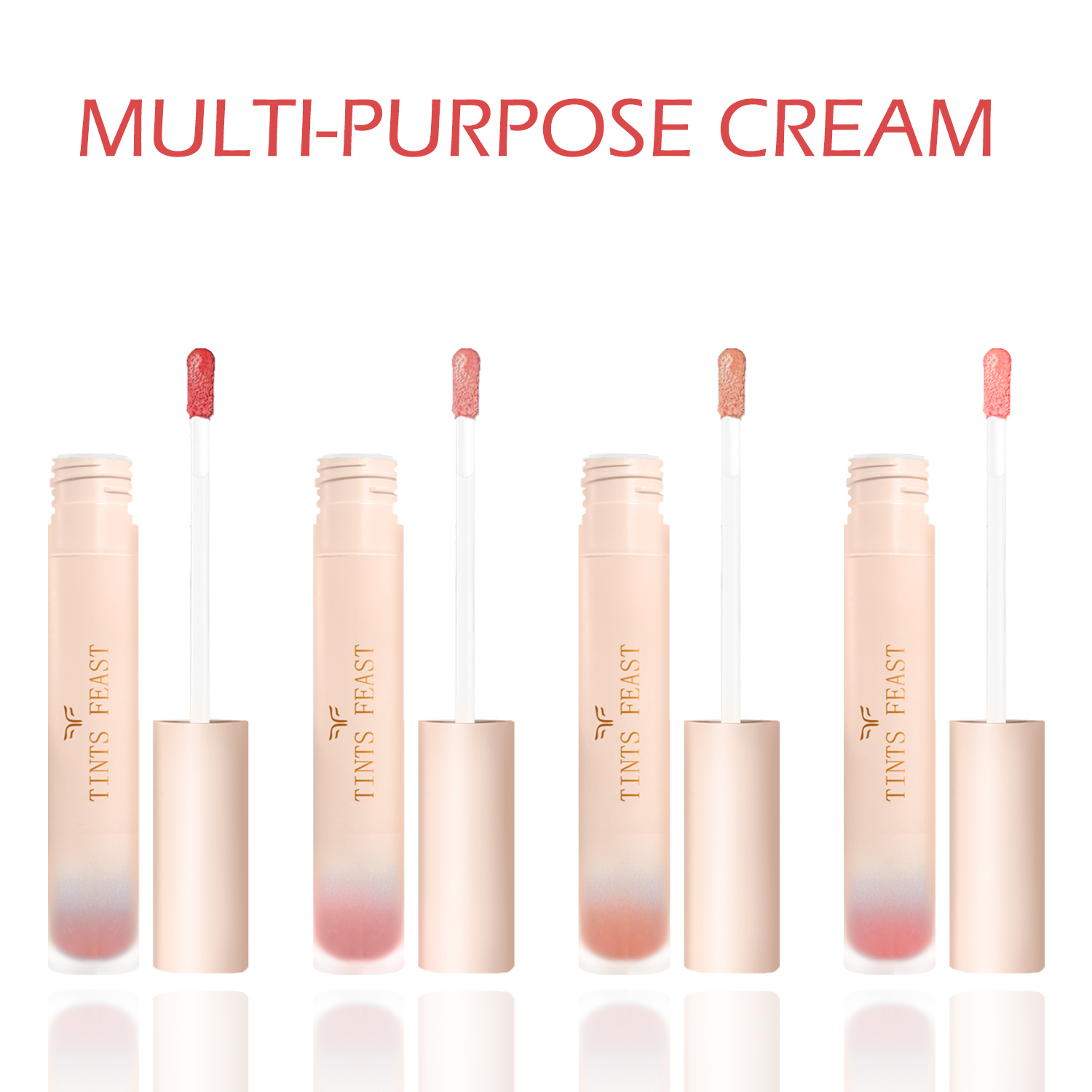
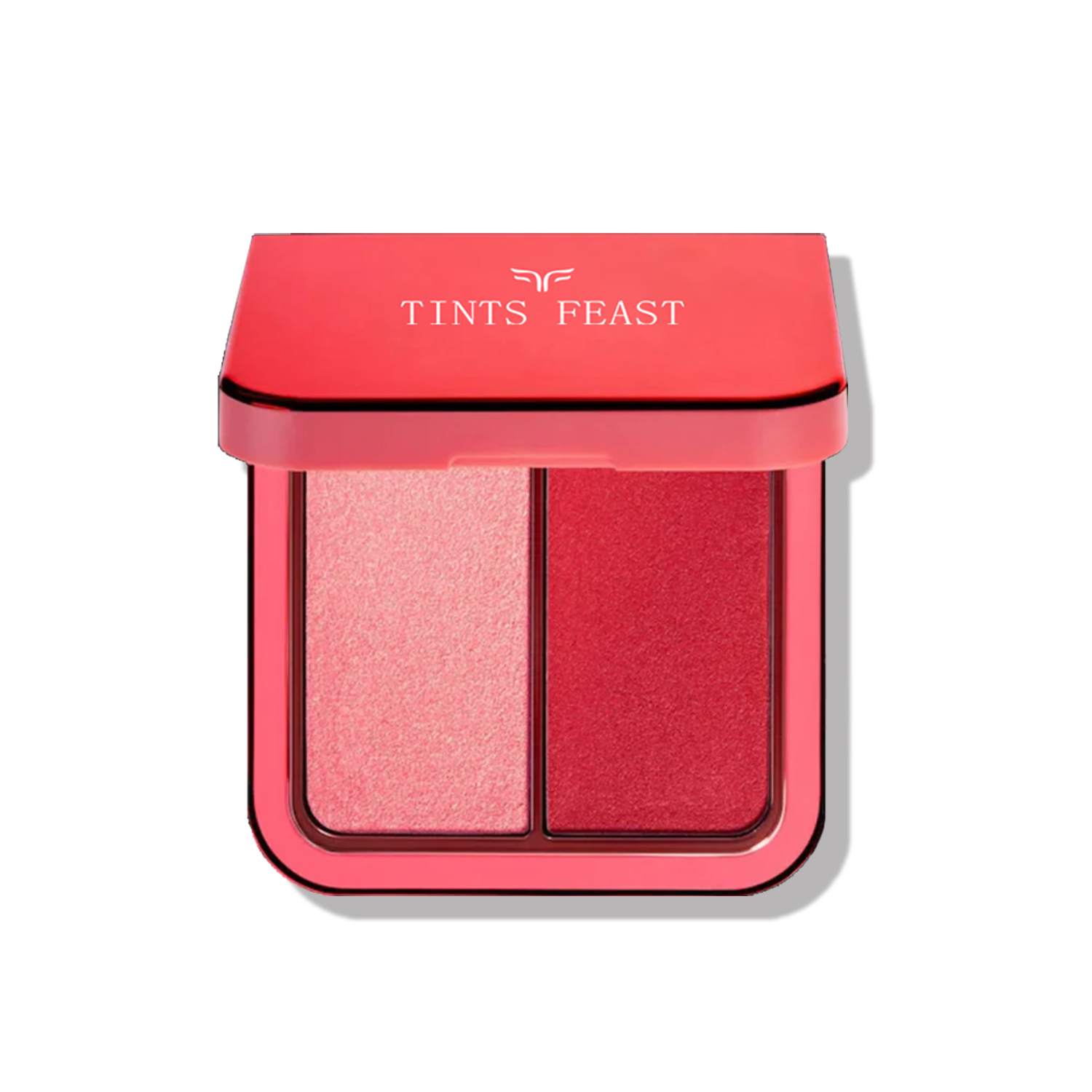
A face makeup line can look complete on a product sheet yet still feel confusing once customers try to build a routine. Too many products, unclear shade logic, or mismatched finishes can make even strong formulas harder to sell. For beauty brands, the challenge is not only deciding whether to launch Foundation, Primer, Concealer, Contour, Highlighter, Bronzer, Blush, or Setting products, but also knowing how these items should work together. A clear product structure helps brands launch with purpose, control SKU pressure, and create a face routine customers can understand and repeat.
Build the Product Map Around the Customer’s Makeup Routine
Identify the role of each face product
The first step in building a face makeup line is deciding what each product should do in the routine. Primer is not just an add-on; it can support texture smoothing, grip, hydration, oil control, or pore-blurring depending on the customer’s skin needs. Foundation should carry the main coverage and finish promise, while Concealer solves more targeted issues such as under-eye darkness, redness, spots, or uneven tone.
Color and dimension products need the same level of clarity. Contour creates shadow and structure, Bronzer adds warmth, Highlighter brings light to the high points of the face, and Blush gives the look freshness and personality. Setting products then help the routine last, whether through loose powder, compact powder, or fixer spray. A supplier such as Tints Feast can support this kind of face-category structure across Foundation, Primer, Concealer, Contour, Highlighter, Blush, and Setting-related formats without requiring every item to appear in the first launch.
Choose a launch direction before choosing formulas
A beauty brand does not need to start with every category at once. A complexion-first face makeup line may lead with Foundation, Primer, Concealer, and Setting because its core promise is even skin, longer wear, or a smoother finish. This direction suits brands that want to compete on coverage, shade range, or professional makeup performance.
A color-first line may begin with Blush, Bronzer, Highlighter, and Contour. This works better for brands built around social content, visual shade stories, quick application, or trend-driven looks. A full-routine line sits between the two: it offers a lean base-to-finish routine without trying to launch too many formulas before demand is proven.
Cut products that do not support the main promise
Every product in the first launch should defend its place. A matte complexion brand may not need several radiant Highlighter formulas at the beginning because those products may distract from the oil-control message. A fresh, natural-finish brand may not need a heavy cream Contour if the customer is looking for easy daily wear.
The same logic applies to Concealer, Bronzer, and Setting products. A color-led face makeup line can delay Concealer until the base range becomes stronger, while a complexion-first brand should not overbuild cheek color before the Foundation system is working. Removing weak or mismatched products often makes the line feel more professional, not less complete.
Create the Base System: Primer, Foundation, Concealer, and Setting
Match Primer to the Foundation finish
Primer should be chosen according to the Foundation experience, not treated as a separate product idea. A hydrating Primer makes sense when the Foundation finish is radiant, serum-like, or designed for dry skin. A pore-blurring Primer fits a soft matte or airbrush-positioned Foundation because both products support a smoother-looking base.
Long-wear positioning may need a gripping Primer that helps makeup adhere better through the day. A tone-balancing Foundation system may also include a color-correcting Primer for dullness, redness, or uneven-looking skin. Customers rarely judge these products separately in real use; they judge how the Primer and Foundation layer together, whether the base pills, separates, feels heavy, or keeps its finish after several hours.
Choose one Foundation format with a clear reason
Foundation is often the most important product decision in a face makeup line because it affects shade range, coverage claims, testing, packaging, and reorder planning. Liquid Foundation usually gives brands the broadest everyday positioning because customers already understand how to use it. Serum Foundation can support lightweight, breathable, and skin-like positioning, especially when the brand wants a softer complexion story.
Cushion Foundation works well for portable, fresh, and dewy routines, while cream or stick Foundation can suit richer coverage, mature-skin positioning, or professional-style application. BB cream or tinted moisturizer formats are better for hybrid skincare-makeup lines where customers want a lighter base rather than full coverage.
A new brand should avoid launching too many Foundation formats at once. One clear formula with a strong reason is easier to test, explain, photograph, and replenish. If the first Foundation performs well, the brand can later add a serum version, cushion format, matte extension, or skincare-makeup hybrid based on actual sales data and customer feedback.
Use Concealer and Setting products to complete the base
Concealer should complete the Foundation system by solving problems that Foundation alone cannot solve comfortably. Under-eye brightening may need a flexible texture that does not crease quickly. Spot coverage may require stronger pigment and better grip, while redness or discoloration correction may need a more targeted shade logic than the main Foundation range.
Setting products should be treated as the final performance step. Loose powder can support oil control and longer wear, compact powder helps with portable touch-ups, and fixer spray can reduce a powdery look while supporting a finished base. This is where many face makeup line launches become inconsistent: the Foundation promises glow, but the Setting product makes the skin look flat; or the line promises long wear, but no Setting format supports that claim. The base system works best when Primer, Foundation, Concealer, and Setting all point toward the same customer outcome.
Add Dimension and Color Without Overloading the Range
Give Contour, Bronzer, Highlighter, and Blush separate jobs
After the base system is planned, the next part of a complete face makeup line is color and dimension. Contour should create shadow, so its shades usually need to be more neutral or cool-leaning. Bronzer should add warmth, which means it should not be marketed as the same thing as Contour even if both products shape the face.
Highlighter has a different job again. It brings light to the cheekbones, brow bone, nose bridge, or other high points of the face, so the finish and shimmer level matter as much as the shade. Blush adds color, freshness, and mood, often becoming one of the most emotionally expressive products in the line. When these products overlap too much in naming, shade direction, or claims, customers may not understand why they need more than one.
Build color choices around undertone and intensity
Shade planning for color products should start with undertone and intensity. A Contour shade that is too orange may look like Bronzer, while a Bronzer that is too gray may fail to create warmth. Highlighter should be planned across skin depths, with pearl or champagne tones for lighter complexions and gold, rose-gold, or bronze tones for deeper complexions.
Blush needs flexible color families that can work across different looks and seasons. Peach, soft pink, rose, coral, berry, and terracotta are useful starting points because they create different moods without forcing the brand to launch too many shades. A small but thoughtful Blush range can feel more premium than a large range with unclear color differences.
Decide when to use singles, sticks, or palettes
Format choice should match how customers will use the product. Single Blush or Bronzer SKUs are easier to market because each shade can have its own story, product photo, and reorder pattern. Sticks are useful for quick application, travel, and multi-use routines, especially when a brand wants to reduce the number of separate products in a beginner-friendly line.
Palettes work well when the brand wants to bundle Contour, Bronzer, Highlighter, and Blush into one routine. Tints Feast supports cheek and dimension formats such as Blush palettes, cream cheek products, lip-and-cheek sticks, liquid Blush, cushion Blush, and combined Contour Bronzer Highlighter Blush palettes, making it possible to develop both single-item color products and routine-based face formats. For a new face makeup line, a practical launch might include two to four Blush shades, one Bronzer option, one Highlighter shade, and either a Contour product or a face palette.
Plan Shade Range, Finish, and SKU Count Before Sampling
Create a realistic first-launch SKU matrix
A complete face makeup line can still be lean. The first launch should be large enough to feel useful but small enough to manage production cost, quality control, inventory, and customer education. Too many SKUs can create cash-flow pressure before the brand knows which products customers actually want to repurchase.
A controlled first launch may look like this:
Product
Customer Role
First-Launch SKU Count
Shade Logic
Expansion Path
Primer
Skin prep and base support
1
Skin concern or finish-led
Add hydrating, matte, or correcting versions
Foundation
Coverage and skin finish
6–12
Skin depth and undertone
Extend shades after sales data
Concealer
Targeted correction
3–6
Brightening, spot coverage, correction
Add deeper undertone precision
Blush
Freshness and color identity
2–4
Peach, rose, coral, berry
Add seasonal or deeper tones
Bronzer
Warmth
1–2
Light/medium and tan/deep warmth
Add undertone options
Contour
Structure
1 or palette
Neutral/cool shadow
Add sticks or creams
Highlighter
Light and glow
1–2
Pearl, champagne, gold, bronze
Add liquid or cream textures
Setting
Wear control
1
Oil control or finish support
Add compact, loose, or fixer
The exact number depends on MOQ, budget, target region, and reorder risk. Commercial details such as minimum order quantities and sample development timelines make SKU planning a production decision as much as a creative decision. A smaller but carefully organized first launch is often easier to control than a wide range that strains cash flow and testing resources.
Plan shade inclusivity instead of adding it later
Foundation and Concealer require the most careful shade planning because customers expect base products to match real skin. A basic shade map should cover skin depth such as fair, light, medium, tan, deep, and rich. Undertone planning should include cool, neutral, warm, and olive where relevant to the target market.
Concealer should not simply copy the Foundation shade range in fewer numbers. Many customers use Concealer for brightening under the eyes, covering spots, or correcting discoloration, so the shade structure may need to serve different use cases. A face makeup line that plans shade logic early will look more credible than one that adds deeper or olive shades only after customer complaints.
Align finish with packaging and formula behavior
Finish affects both product experience and packaging choice. Matte formulas often serve oil-control and long-wear customers, while natural finishes can reach a wider daily-use audience. Radiant formulas help glow-focused brands, and soft-focus finishes support pore-blurring or texture-smoothing claims.
Packaging should follow the behavior of the formula. Pump bottles work well for many liquid Foundation formulas because they support controlled dispensing. Cushion compacts fit portable base products, sticks suit Contour, Bronzer, or multi-use color, and jars or compacts may suit Setting powder depending on texture and application. A beautiful package is not enough if the formula dries out, leaks, separates, or becomes difficult to apply.
Conclusion
A complete face makeup line works best when every product supports a clear routine, from Primer and Foundation to Concealer, Contour, Highlighter, Bronzer, Blush, and Setting products. Strong planning helps brands avoid unnecessary SKUs, build smarter shade ranges, and create formulas that layer well in real use.
For brands developing private label or customized face makeup, Guangzhou Vast Cosmetic Co.,Ltd. can support product planning, formula selection, and category development, helping turn a product idea into a more organized, market-ready face collection.
FAQ
Q: What products are needed for a complete face makeup line?
A: A complete face line usually includes Primer, Foundation, Concealer, Contour, Bronzer, Highlighter, Blush, and Setting products, each serving a different step in the routine.
Q: Should Foundation or Concealer come first?
A: Foundation is commonly applied first to even the complexion, then Concealer is used for targeted coverage. Some correction techniques may place Concealer earlier.
Q: What is the difference between Contour and Bronzer?
A: Contour adds shadow and structure, while Bronzer adds warmth. Their shades, placement, and finish should be planned separately to avoid confusing customers.
Q: How many Foundation shades should a new beauty brand launch?
A: Many startups begin with a controlled shade range, then expand based on sales data, undertone gaps, customer feedback, and production budget.
Q: Are Setting powder and Setting spray both necessary?
A: Not always. Setting powder helps control shine and lock the base, while Setting spray can soften a powdery finish and improve overall wear.
Q: Should a brand launch Blush, Highlighter, Bronzer, and Contour together?
A: Launching all four can work if they support one routine. Smaller brands may start with Blush and one dimension product before expanding.
Guangzhou Vast Cosmetic Co.,Ltd. was established in 2018, a high-tech enterprise focusing on customizing make-up for customers, integrating scientific research, production, sales and service.