A new makeup brand rarely fails because it launched too few products. More often, the first range becomes too wide too soon, with Foundation shades, Primer claims, Blush colors, Lipstick finishes, Lipgloss textures, and Eyeshadow palettes all competing for budget and attention. The smarter starting point is a focused product mix that customers can understand quickly and the brand can test honestly. This article looks at which makeup categories are best suited for an early launch, which ones need more preparation, and how to build a first lineup that feels complete without becoming difficult to manage.
Choose Products That Are Easy to Explain and Easy to Test
The first SKU should solve one clear routine problem
A strong first SKU should be easy to understand before the customer studies the full product page. It may promise a smoother base, a fresher complexion, a soft wash of color, a more polished lip look, or a simple glow effect. When the product role is clear, the brand can explain it through short videos, swatches, before-and-after images, and everyday routine content without forcing customers to decode the collection.
That clarity matters because a new makeup brand rarely has the trust that established brands already enjoy. Customers need to know why this product belongs in their routine and why they should try it now. A product that solves one recognizable problem is easier to sample, review, photograph, and compare. That makes early feedback cleaner and more useful for the next development decision.
Compare product ambition against launch complexity
Foundation can be a powerful first product, but it brings the heaviest operational burden. A brand needs shade matching, undertone planning, coverage testing, oxidation checks, model swatches, and customer support that can handle shade questions. If the range is too small, the launch may look incomplete; if the range is too large, inventory becomes expensive before demand is proven.
Primer is often easier to test because it can focus on finish, hydration, grip, glow, smoothing, blurring, or color correction without requiring a large shade architecture. Blush, Lipstick, and Lipgloss create stronger visual appeal, but they still need shade discipline so the first launch does not feel random. Eyeshadow can express personality quickly, yet a large palette may create formula, pigment, photography, and color-story complexity before the brand knows what its audience actually wants.
Suggested visual module: First Product Decision Scorecard
Product
Best Launch Role
Why It Works
Main Caution
Primer
Hero or support product
Low shade pressure, easy routine fit
Needs a clear finish claim
Foundation
Hero product
High demand, strong complexion value
Shade range can become expensive
Blush
Support color product
Visual, trend-friendly, easy to demo
Shades must suit the target audience
Lipstick
Brand identity product
Strong color statement
Finish and comfort expectations vary
Lipgloss
Entry-level color product
Easy to try, gift, and bundle
Needs a distinct texture or shine story
Eyeshadow
Creative expansion product
Strong artistry appeal
Palette complexity can slow validation
Make Primer the Practical Starting Point for Many New Brands
Why Primer can carry the first launch story
Primer can be a practical starting point because it sits between skincare-inspired benefits and makeup performance. A new brand can build a clear story around smoother application, longer-looking wear, a hydrated base, a soft-focus effect, or a more radiant finish. This gives the product a daily-use role even when the customer is not ready to buy a full complexion product such as Foundation.
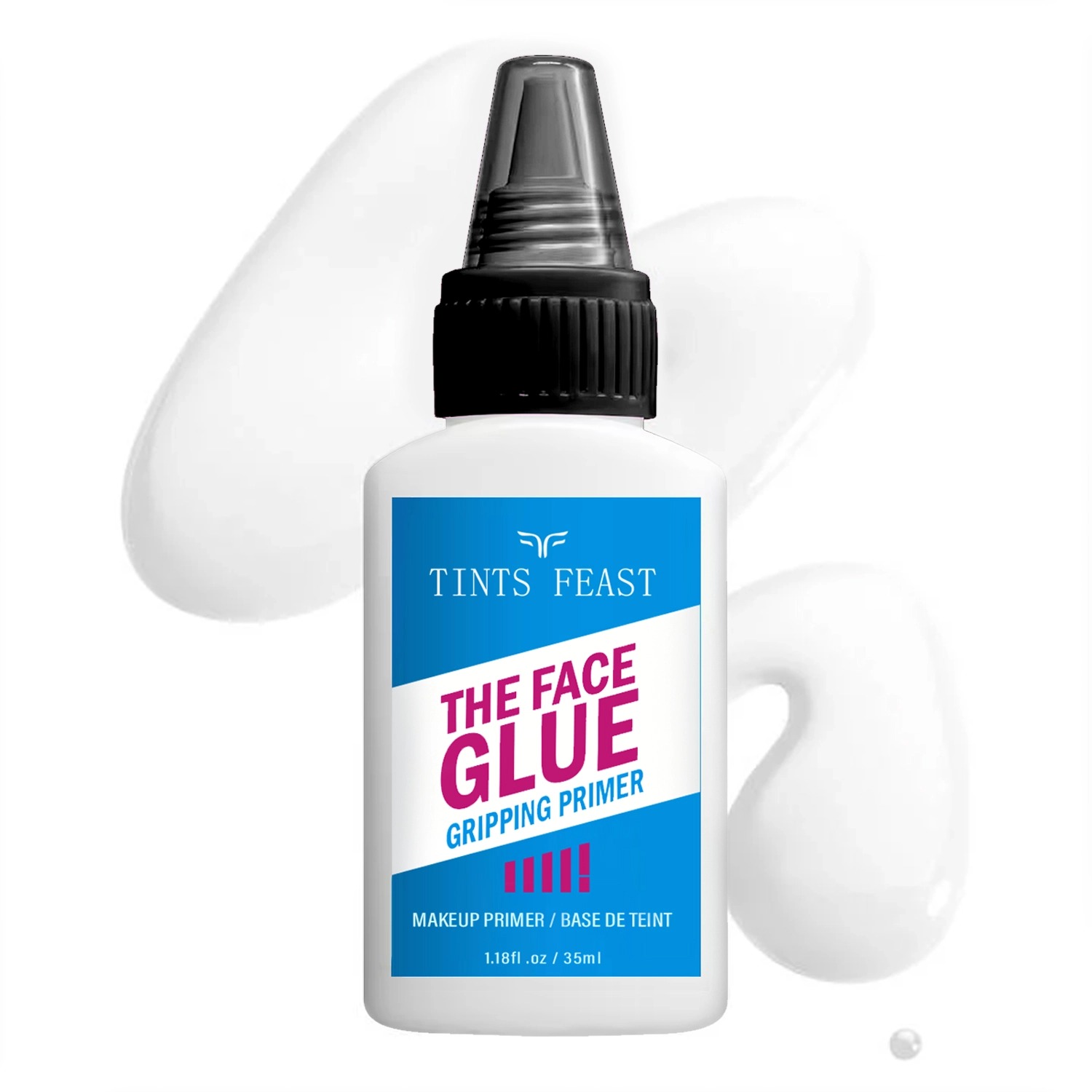
The Tints Feast Primer category shows how flexible this category can be. The range includes product directions such as moisturizing primer, illuminating primer, gripping primer, aloe primer, color-changing primer, blur primer, skincare-based primer, green-toned primer, matte primer, glow serum, and color-correcting primer. That range is useful for founders because it shows that Primer does not have to be positioned as one generic makeup-prep product; it can be built around a specific finish, skin feel, or routine need.
A new brand should still avoid turning Primer into a vague “does everything” product. The first formula needs one primary reason to exist, supported by two or three secondary benefits at most. For example, a glow-focused Primer may also feel hydrating, but the main message should stay centered on radiance and smooth makeup prep. Clear positioning makes the product easier to brief, sample, approve, photograph, and sell.
Use hybrid texture as a selling angle, not a distraction
Hybrid base products can help a new brand feel modern, especially when customers want makeup that looks natural and fits into a lighter routine. A serum-primer texture can be positioned for no-makeup days, under-base radiance, or targeted highlighting without asking the customer to commit to full coverage. The key is to make the usage occasion obvious, because hybrid products can confuse customers when the brand does not clearly explain whether the item is skincare, makeup prep, or glow enhancer.
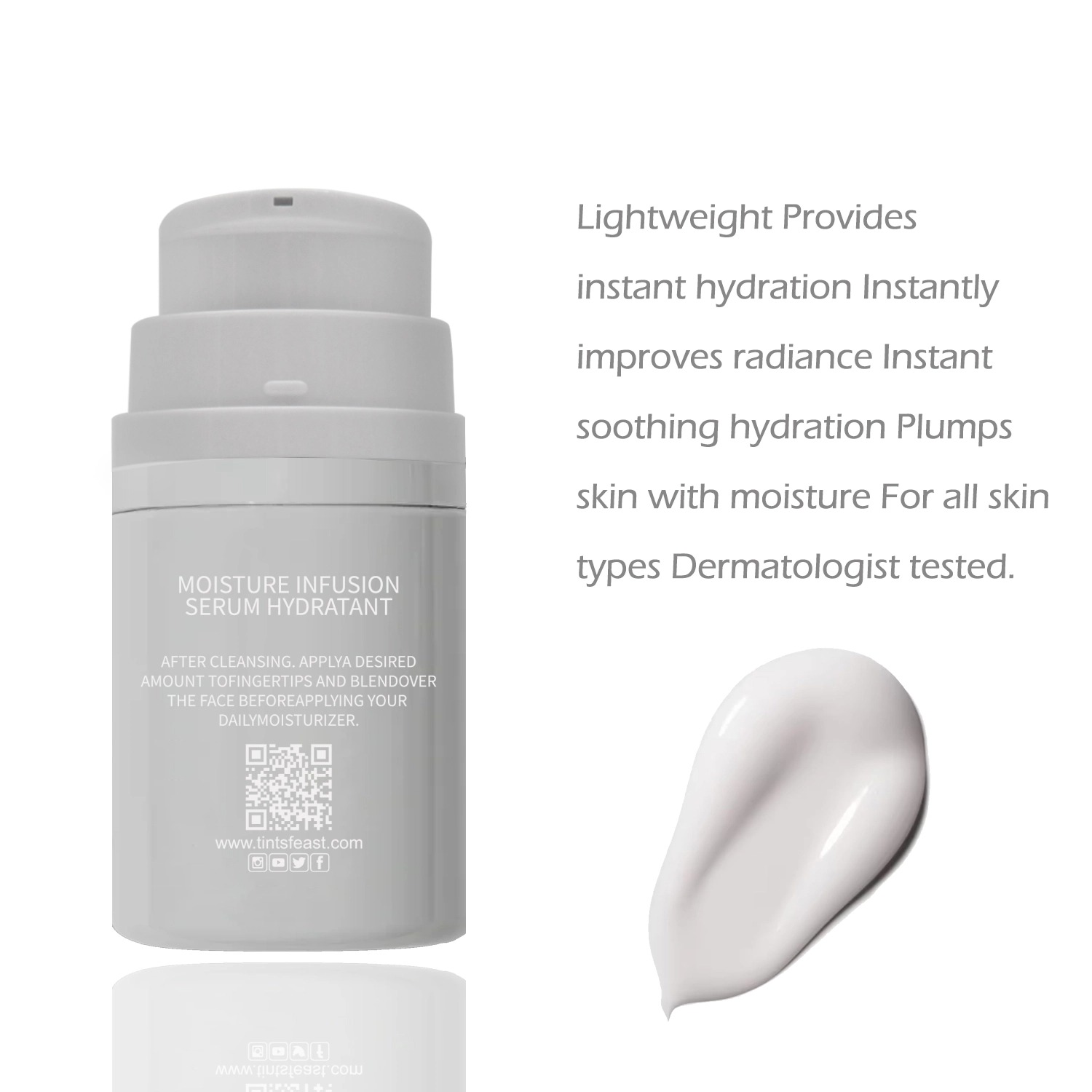
The Tints Feast Hue Drops serum-primer works as a useful example of this type of positioning. The product is built around a sheer, buildable tinted serum in a Sun Glow shade for a natural-looking glow, with a role that connects hydration and illuminating makeup prep. Ingredients such as niacinamide, hyaluronic acid, watermelon, and centella asiatica can support a skincare-inspired product story when used with careful claim language.
For content, this kind of product can be shown in several simple ways. It can appear before makeup, on bare-skin days, mixed with base, or tapped onto high points of the face. These demonstrations help customers understand the product without reading a long explanation. That makes hybrid Primer especially useful for a brand that wants a visual launch but does not yet want to manage a full Foundation shade range.
When Foundation should come later
Foundation should often come later unless the brand has enough testing and content support to make the launch credible. This category asks more from the customer and more from the founder. Buyers expect shade accuracy, texture comfort, coverage consistency, undertone logic, wear performance, and product-page guidance that helps them choose correctly.
A staged approach can reduce that pressure. The brand may first launch Primer or a lighter complexion-support product, then study which finishes, skin concerns, and content angles receive the strongest response. That learning can shape the later Foundation brief so the brand is not guessing its way into shade development. A smaller first launch is not a weaker launch if it creates better information for the next product.
Add One Color Product to Make the Line Feel Alive
Pick the color category based on brand personality
A first launch built only around base products can feel functional but quiet. One color product gives the line emotional appeal, stronger photography, and more shareable content. Blush, Lipstick, and Lipgloss each play this role differently, so the best choice depends on the brand’s personality rather than keyword demand alone.
Blush works well for a fresh, complexion-led brand because it pairs naturally with Primer and supports a soft, healthy-looking makeup story. Lipgloss is a lower-barrier color item that can work for trial, gifting, simple bundles, and casual social content. Lipstick carries a stronger identity signal because the shade, finish, and packaging can quickly define the brand’s mood. A soft everyday brand may lean toward Blush or Lipgloss first, while a more expressive brand may prefer Lipstick.
Keep the first shade range edited
The first color range should feel intentional, not crowded. For Blush, two to four shades can cover wearable pink, peach, rose, and warm nude directions without overwhelming the customer. For Lipgloss, clear, nude, soft pink, or shimmer options may be enough to create choice while keeping inventory manageable. For Lipstick, three to five shades usually feel more coherent when they share one finish direction, such as satin, creamy matte, or soft matte.
A narrow shade edit can look premium when the brand supports it with strong visuals. Model swatches, texture close-ups, shade names, routine pairings, and bundle logic can make a smaller range feel curated rather than limited. The goal is not to prove that the brand can make many shades. The goal is to prove that it understands which shades its first customers are most likely to wear.
Avoid color products that are hard to explain
Some color products fail because the customer cannot quickly tell the shades apart. Five similar nude Lipstick shades may look refined in a lab tray but confusing on a product page. A Blush range with no clear undertone logic can create the same problem, especially if the brand does not show the shades on different skin tones.
Trend-led shades also need caution. A dramatic Eyeshadow color or unusual Lipgloss finish may be exciting, but it should match the audience and the brand’s content style. Color products should support the hero product story rather than compete with it. When the hero is Primer, a soft Blush or easy Lipgloss often creates a more coherent launch than an unrelated color statement.
Treat Eyeshadow and Foundation as Higher-Commitment Categories
When Eyeshadow is worth launching early
Eyeshadow can make sense early when the brand is built around artistry, tutorials, bold looks, creator content, or limited-edition color stories. This category gives the brand more visual room to express mood, season, finish, and personality. If the audience already expects creative makeup, an Eyeshadow palette can be more memorable than a conservative complexion product.
A focused first palette is usually stronger than an oversized one. The color story should have useful transition shades, a few accent colors, and finishes that photograph clearly. Every shade needs a purpose, because customers can quickly sense when a palette contains filler colors. In a first launch, Eyeshadow should build the brand world rather than simply add SKU count.
Why Eyeshadow can wait
Eyeshadow can also be risky for a lean launch. Palette components may cost more, pigment performance needs careful testing, and shade redundancy can weaken the customer’s reason to buy. Fallout, patchiness, shimmer texture, and pan-to-skin color payoff are all issues that customers notice quickly.
Repeat purchase can also be slower than with daily base or lip products. A customer may finish Primer or Lipgloss sooner than a full palette, which affects reorder rhythm. If the brand’s first audience is more interested in fresh skin, easy lips, and simple routines, Eyeshadow may work better as a second or third launch. By then, the brand can use real shade feedback to design a palette with stronger commercial logic.
Foundation needs proof before scale
Foundation can become a signature product, but it should not be added only because it is a high-interest category. The launch needs proof: undertone research, application guidance, coverage comparison, model swatches, finish explanation, and realistic wear claims. Without those assets, customers may hesitate or return the wrong shade.
Preparation also affects how professional the brand appears. A Foundation product page should help customers understand coverage, finish, skin type fit, and shade choice without relying only on bottle photos. If those pieces are not ready, launching Primer first can be the smarter move. It lets the brand enter the complexion category while building the insight needed for a stronger Foundation launch later.
Build a Launch Lineup That Feels Complete Without Being Too Big
Lineup option 1: Primer + Blush + Lipgloss
Primer, Blush, and Lipgloss create one of the cleanest starter lineups for a new makeup brand. This combination supports a fresh, everyday routine that is easy to demonstrate in three steps. It also gives the brand a base product, a cheek product, and a lip product without the shade pressure of Foundation or the production complexity of a large Eyeshadow palette.
The story can be simple: prep the skin, add color, finish with shine. That sequence works well for social content because each step creates a visible change without requiring advanced technique. It also gives the brand enough variety to create bundles and routine sets. For many founders, this is the most balanced first launch because it feels complete but still controlled.
Lineup option 2: Primer + Lipstick + Lipgloss
Primer, Lipstick, and Lipgloss work better for a brand that wants stronger lip identity from the beginning. The Primer owns the makeup-prep step, while the two lip products allow the brand to compare color, shine, comfort, and finish. This structure can support shade stories, day-to-night routines, and simple product pairings.
The risk is that the lip range needs a clear reason to include both Lipstick and Lipgloss. If the Lipstick is creamy and expressive, the Lipgloss might be sheer, juicy, and easy to reapply. If both products look too similar in use, customers may not understand why they need both. A strong finish difference keeps the lineup clear and prevents the launch from feeling repetitive.
Lineup option 3: Primer + Foundation + Blush
Primer, Foundation, and Blush create a more complexion-focused launch. This option can work for a brand that wants to be known for face makeup and has the testing capacity to support a Foundation range. It gives customers a full base routine: prep, even out, and add color.
The pressure is higher because Foundation brings shade and performance expectations from day one. A weak shade plan can damage trust faster than a limited Blush or Lipgloss range. This lineup should only be used when shade guidance, swatches, application content, and customer support are ready. If those pieces are in place, the combination can give the brand stronger complexion authority than a lighter starter set.
Add best-requested shades or one complementary item
Expand based on real feedback
Month 6–9
Consider Foundation or Eyeshadow
Move into higher-complexity categories
Month 12
Create bundles or routine sets
Increase average order value and repeat purchase
Conclusion
The strongest first launch is usually not the biggest one. A new makeup brand should choose products that are easy to understand, easy to test, and realistic to expand, whether that means starting with Primer and Blush, adding Lipgloss or Lipstick, or waiting until Foundation and Eyeshadow have stronger shade and usage data behind them.
Guangzhou Vast Cosmetic Co.,Ltd. can support this process with makeup product development and manufacturing options across base, lip, cheek, and eye categories, helping brands build a focused first lineup with clearer positioning and less unnecessary SKU pressure.
FAQ
Q: What makeup product should a new brand launch first?
A: Start with one clear hero product that is easy to explain and test. Primer, Lipgloss, or Blush often works well before more complex categories like Foundation.
Q: Should a new makeup brand launch Foundation first?
A: Foundation can work as a first product, but only with strong shade planning, undertone testing, swatches, and customer support. Otherwise, it may create early inventory pressure.
Q: Is Primer a good first product for a makeup brand?
A: Yes. Primer is often easier to launch because it supports daily makeup routines and can focus on hydration, glow, grip, smoothing, or matte finish without many shades.
Q: How many products should a new makeup brand launch with?
A: A focused first launch usually needs one hero product and one or two supporting products. This keeps the range clear while allowing useful customer feedback.
Q: Are Lipstick and Lipgloss better than Eyeshadow for a first launch?
A: Lipstick and Lipgloss are often easier to test because shades, finishes, and textures are simple to show. Eyeshadow usually needs stronger palette planning and visual content.
Q: When should a new brand add Blush or Eyeshadow?
A: Blush can be added early to bring color and visual appeal. Eyeshadow is better once the brand understands its audience’s preferred shades, finishes, and makeup style.
Guangzhou Vast Cosmetic Co.,Ltd. was established in 2018, a high-tech enterprise focusing on customizing make-up for customers, integrating scientific research, production, sales and service.